

Quick Answer
Yes. Short naps can support muscle recovery by reducing fatigue, improving alertness, and helping the body recover from physical stress. For most gym beginners, a 20- to 30-minute nap is enough to boost recovery without interfering with nighttime sleep.
Naps for muscle recovery can help reduce fatigue, improve alertness, and support overall recovery after exercise. While naps cannot replace a full night’s sleep, a short 20 to 30 minute nap may help gym beginners feel more energized and recovered, especially after intense training sessions or poor sleep.
Table of Contents
Why Sleep Is Important for Muscle Recovery
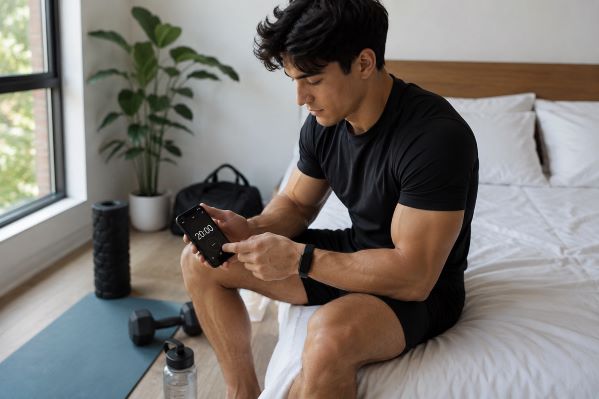
Sleep is one of the most important recovery tools available to beginners. During sleep, the body repairs tissues, regulates hormones, and supports the recovery process that occurs after physical activity.
Many people focus on workouts and nutrition while overlooking sleep. However, recovery does not happen during training; it happens after training when the body has time to repair and adapt.
If your recovery is poor, you may experience:
- Persistent fatigue
- Reduced workout performance
- Increased soreness
- Lower motivation to exercise
- Slower fitness progress
This is why building healthy sleep habits should be a priority for every beginner.
Can Naps for Muscle Recovery Improve Results?
Yes, naps for muscle recovery may help support the body’s recovery process by providing additional rest during the day.
While nighttime sleep remains the foundation of recovery, short daytime naps can help reduce accumulated fatigue and improve physical and mental performance.
Research suggests that naps may:
- Improve alertness
- Reduce perceived fatigue
- Support cognitive performance
- Help compensate for occasional sleep loss
- Improve overall recovery readiness
For beginners who struggle with busy schedules, work demands, or inconsistent sleep patterns, naps can be a useful recovery tool.
Benefits of Napping After Exercise

Reduced Fatigue
One of the most noticeable benefits of napping is reduced fatigue.
Exercise places stress on the body, and fatigue can accumulate when recovery is insufficient. A short nap may help you feel refreshed and ready to continue daily activities.
Better Energy Levels
Many beginners experience low energy after demanding workouts.
A properly timed nap may help restore energy levels without relying on excessive caffeine or energy drinks.
Improved Mental Focus
Recovery is not only physical.
Exercise can also affect concentration and mental performance. Naps may improve focus, attention, and productivity throughout the day.
Recovery Support
Although naps do not replace nighttime sleep, they contribute additional recovery time that may support overall physical restoration. For a complete recovery strategy, read our guide on How to Recover Faster After a Workout for Beginners.
Best Nap Length for Recovery
A short nap can help reduce fatigue, but recovery also depends on sleep quality, nutrition, hydration, and workout planning. Check out our beginner recovery guides to build a complete recovery routine.
Not all naps provide the same benefits.
10- to 20-Minute Power Nap
This is often considered the ideal recovery nap for beginners.
Benefits include:
- Improved alertness
- Reduced fatigue
- Minimal grogginess
- Easy to fit into a busy schedule
30 to 60 Minute Nap
Longer naps may provide additional rest but can increase the likelihood of waking up feeling groggy. These naps may be useful after particularly demanding workouts or poor sleep.
Longer Naps and Sleep Inertia
Naps longer than 60 to 90 minutes can sometimes cause sleep inertia.
Sleep inertia refers to the groggy, sluggish feeling that occurs immediately after waking.
For most beginners, shorter naps are usually more practical and effective.
When Should You Take a Recovery Nap?
Timing matters.
The best time for a recovery nap is typically the following:
- Early afternoon
- Between 1 PM and 3 PM
- Several hours before bedtime
Late-evening naps may interfere with nighttime sleep quality.
If possible, maintain a consistent sleep schedule and use naps as a supplement rather than a replacement for proper sleep.
Learn more in our guide on Best Sleep Routine for Gym Beginners to Boost Recovery.
Common Napping Mistakes
Using Naps to Replace Nighttime Sleep
Naps can help support recovery, but they should not replace regular nighttime sleep.
Most adults still need approximately 7 to 9 hours of quality sleep each night.
Napping Too Late
Late-day naps can make it harder to fall asleep at night.
Taking Excessively Long Naps
Long naps may leave you feeling less refreshed than shorter naps.
Ignoring Other Recovery Habits
Recovery depends on multiple factors, including:
- Sleep
- Nutrition
- Hydration
- Rest days
- Stress management
Naps work best when combined with other healthy recovery habits.
Recovery Nutrition and Sleep

Recovery is most effective when sleep and nutrition work together.
After exercise, your body needs:
- Protein for muscle repair
- Carbohydrates for energy restoration
- Adequate hydration
- Sufficient sleep
Combining proper nutrition with healthy sleep habits creates a stronger recovery foundation.
For nutrition guidance, read What to Eat After a Workout at Home (Simple Beginner Meals).
Key Takeaways
- Naps for muscle recovery can help reduce fatigue and improve alertness.
- A 20- to 30-minute nap is often the best option for beginners.
- Naps should supplement, not replace, nighttime sleep.
- Recovery depends on sleep, nutrition, hydration, and rest.
- Consistent recovery habits support better long-term fitness results.
Frequently Asked Questions
How long should I nap after a workout?
Most beginners benefit from a 20 to 30 minute nap. This duration provides recovery benefits while reducing the risk of grogginess.
Can naps replace nighttime sleep?
No. Nighttime sleep remains the most important component of recovery. Naps should only supplement a healthy sleep schedule.
Are naps good for muscle growth?
Naps may indirectly support muscle growth by improving recovery and reducing fatigue, but they are not a substitute for proper sleep, nutrition, and training.
Is a 20-minute nap enough for recovery?
Yes. A short 20-minute nap is often sufficient to improve alertness, reduce fatigue, and support recovery.
Final Thoughts
Naps for muscle recovery can be a helpful addition to a beginner’s recovery routine. While they should never replace quality nighttime sleep, short daytime naps may help reduce fatigue, improve energy levels, and support overall recovery. Combined with proper nutrition, hydration, and a consistent sleep schedule, naps can become another valuable tool for helping you recover better and perform your best.
Ready to Recover Better?
Recovery doesn’t stop when your workout ends. Quality sleep, proper nutrition, hydration, and smart recovery habits all work together to help your body perform at its best.
If you’re new to fitness, explore our complete recovery guides:
- Best Sleep Routine for Gym Beginners to Boost Recovery
- How to Recover Faster After a Workout for Beginners
- What to Eat After a Workout at Home (Simple Beginner Meals)
Building better recovery habits today can help you feel stronger, recover faster, and stay consistent with your fitness goals.
Disclaimer
This article is for educational and informational purposes only and should not be considered medical advice. Always consult a qualified healthcare professional before making significant changes to your sleep, exercise, or recovery routine, especially if you have underlying health conditions or sleep disorders.
References
National Sleep Foundation — Napping and Healthy Sleep Habits
American Academy of Sleep Medicine — Sleep Education Resources
Cleveland Clinic — Power Nap Benefits
Harvard Health Publishing — The Benefits of Napping

I’m Mr. Baig, founder of Recover Better Lab. I create evidence-based fitness recovery content to help beginners recover smarter and build sustainable healthy habits.
Mission: My mission is to provide trustworthy, research-backed recovery and fitness content that helps people optimize their health, performance, and overall well-being.