
After an intense workout, it’s common to notice sore, stiff muscles that make everyday movement less comfortable. Many people reach for a foam roller hoping it will speed up recovery and get them back to training sooner. But does foam rolling help muscle recovery, or does it simply make you feel better temporarily?
Current research suggests that foam rolling can be a useful recovery tool. It may reduce delayed onset muscle soreness (DOMS), improve range of motion, and decrease feelings of muscle stiffness after exercise. However, the evidence does not show that it directly accelerates the biological repair of damaged muscle tissue. Instead, foam rolling appears to support recovery by helping you move more comfortably and maintain your training routine.
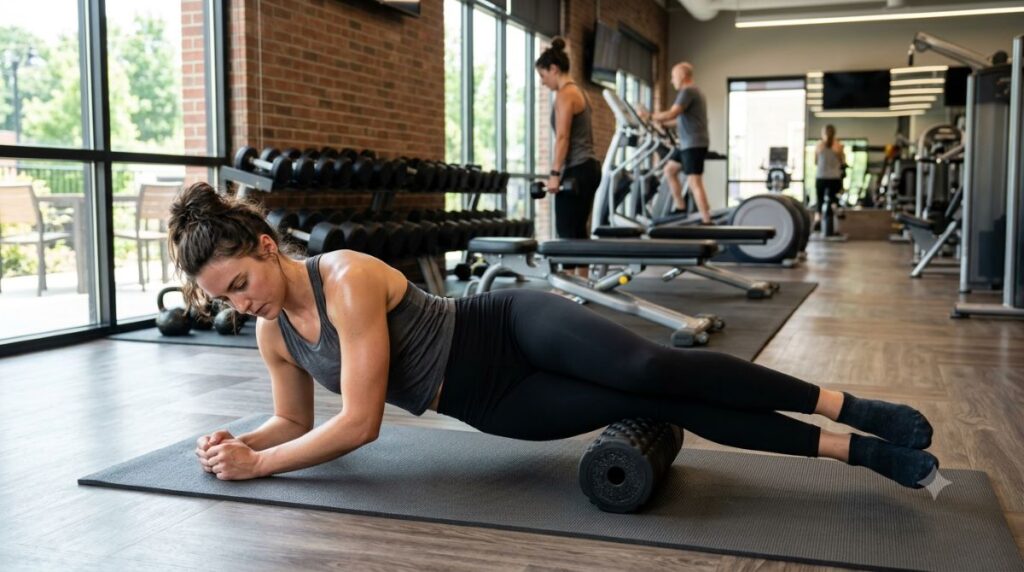
Quick Answer
Does foam rolling help muscle recovery?
Yes, foam rolling can support muscle recovery by reducing soreness, improving flexibility, and increasing range of motion after exercise. While it may help you feel recovered sooner, current evidence suggests it does not significantly speed the actual healing of muscle tissue. It works best as part of a complete recovery routine that also includes sleep, proper nutrition, hydration, and appropriate rest.
Table of Contents
What Is Foam Rolling?
Foam rolling is a form of self-myofascial release (SMR) that involves using your body weight to apply pressure to muscles and the surrounding connective tissue with a foam roller.
Unlike stretching, which focuses on lengthening muscles, foam rolling applies controlled pressure to specific areas that feel tight or sore. Many athletes and recreational exercisers use it before or after workouts to improve movement quality and reduce post-exercise discomfort.
Common muscles people foam roll include the following:
Quadriceps
Hamstrings
Calves
Glutes
Upper back
Hip muscles
Foam rollers are available in different densities and textures, but the basic purpose remains the same: applying gentle, sustained pressure to improve comfort and mobility.
Does Foam Rolling Help Muscle Recovery?
Research suggests that foam rolling can play a supportive role in recovery, particularly by reducing muscle soreness and improving movement after exercise.
Several systematic reviews have found that people who foam roll after strenuous activity often report less soreness over the following 24 to 72 hours. Many also experience temporary improvements in flexibility and joint range of motion without reducing muscle performance.
It’s important to understand what these findings mean. Feeling less sore does not necessarily mean your muscles have healed faster. Instead, foam rolling seems to influence how your body responds to soreness, allowing movement to feel easier during recovery.
What Research Says
Current evidence supports several potential benefits of foam rolling:
Reduced delayed onset muscle soreness (DOMS)
Improved range of motion
Temporary reduction in muscle stiffness
Little or no negative effect on strength or athletic performance
The evidence is less convincing for other claims, including:
Faster muscle tissue repair
Faster recovery of muscle strength
Significant improvements in athletic performance after recovery
This distinction matters because many people expect foam rolling to repair muscles more quickly. The research suggests a more realistic benefit: it can make recovery feel more comfortable, helping you stay active while your body continues its normal healing process.
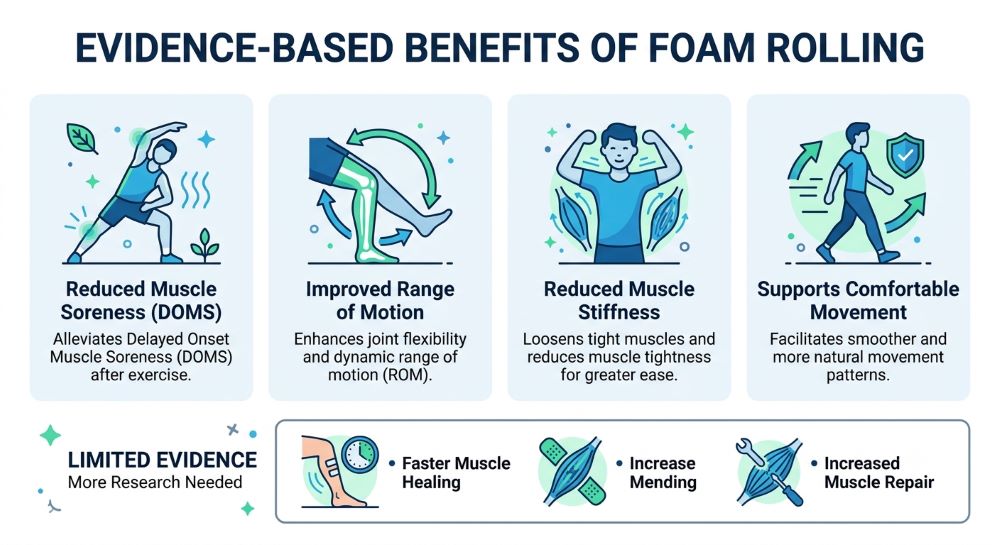
Foam Rolling Benefits vs. Evidence:
| Claim | Current Evidence |
| Reduces muscle soreness | ✅ Strong |
| Improves range of motion | ✅ Strong |
| Reduces stiffness | ✅ Moderate |
| Supports comfortable movement | ✅ Moderate |
| Speeds muscle tissue healing | ❌ Limited evidence |
| Replace sleep, nutrition, or rest | ❌ No |
Foam rolling should be viewed as one piece of a comprehensive recovery strategy rather than a standalone solution. Combined with adequate sleep, proper hydration, balanced nutrition, and appropriate training load, it can contribute to a more comfortable recovery experience.
Benefits of Foam Rolling After Exercise
Foam rolling is most valuable for improving how your body feels after exercise rather than dramatically changing how quickly muscles heal. When used consistently, it can make recovery more comfortable and help you return to your normal activities with less stiffness.
May Reduce Delayed Onset Muscle Soreness (DOMS)
Delayed onset muscle soreness usually develops 12 to 24 hours after unfamiliar or intense exercise and often peaks between 24 and 72 hours. This soreness is a normal response to exercise-induced muscle damage. Research suggests that foam rolling can lessen the intensity of DOMS, making everyday movements and future workouts feel more manageable. While soreness may not disappear completely, many people report that it becomes less noticeable after foam rolling.
Can Improve Range of Motion
One of the most consistent findings in research is that foam rolling can temporarily increase joint range of motion. Improved mobility may make movements such as squats, lunges, and overhead exercises feel smoother without reducing muscle strength or power. This makes foam rolling useful before activities that require good mobility as well as after exercise.
After a demanding workout, muscles often feel tight or stiff even when they are not injured. Applying controlled pressure with a foam roller may temporarily reduce this sensation, allowing muscles to move more freely. This effect is believed to involve changes in the nervous system and pain perception rather than structural changes in the muscle itself.
May Help You Stay Consistent with Training
Recovery is not only about repairing muscles. It’s also about feeling ready to move again. If foam rolling reduces discomfort enough to make walking, climbing stairs, or returning to your next workout easier, it may indirectly support long-term training consistency.
What Foam Rolling Cannot Do
Foam rolling has benefits, but it’s important to keep expectations realistic. Current evidence does not support the idea that foam rolling can:
Repair damaged muscle fibers faster.
Eliminate muscle soreness completely.
Flush lactic acid from muscles.
Replace proper sleep or recovery nutrition.
Prevent every sports injury.
Correct poor exercise technique or training errors.
Many recovery products are marketed as quick fixes. Foam rolling is not one of them. Instead, it works best as a supportive recovery tool alongside healthy recovery habits.
When Should You Foam Roll?
The best timing depends on your goal.
| Goal | Best Time |
| Improve mobility before exercise | Before workout |
| Reduce soreness and stiffness | After workout |
| Improve general mobility | Rest days |
| Prepare for flexibility work | Before stretching |
Using a foam roller for 5 to 10 minutes is usually enough for most people. Longer sessions do not necessarily provide greater benefits.
How to Foam Roll Correctly
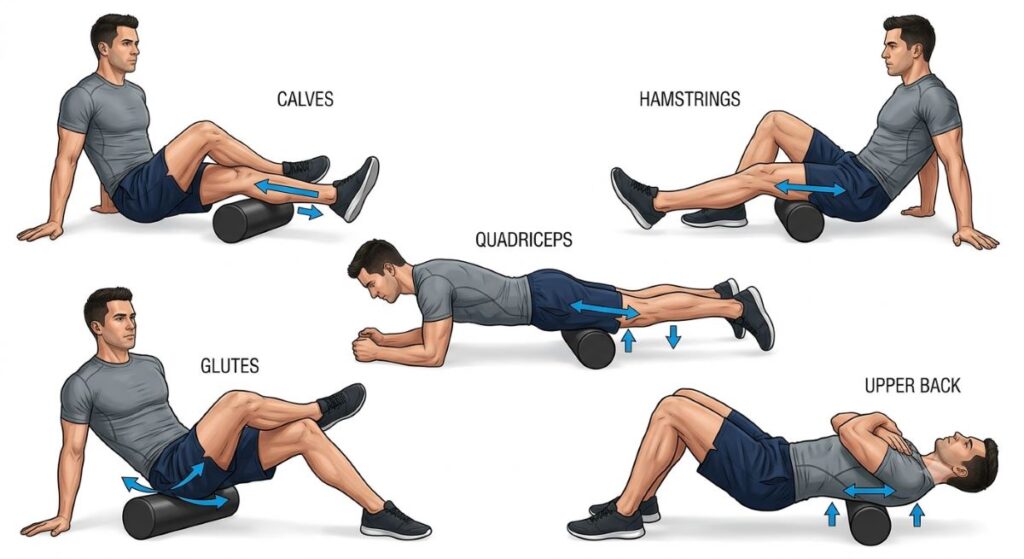
Proper technique is more important than applying excessive pressure.
How Long Should You Foam Roll Each Muscle?
A practical guideline is
30 to 60 seconds per muscle group
Up to 90 seconds for particularly tight areas
Total session of about 5 to 10 minutes
Moving slowly allows the muscles to relax under pressure. Rolling too quickly may reduce the potential benefits.
How Much Pressure Should You Use?
Pressure should feel uncomfortable but tolerable. If the pain causes you to tense your muscles or hold your breath, the pressure is probably too high. Gentle, controlled pressure is generally more effective than forcing the roller deeply into the muscle. You should be able to breathe normally throughout the session.
Common Mistakes and Better Alternatives
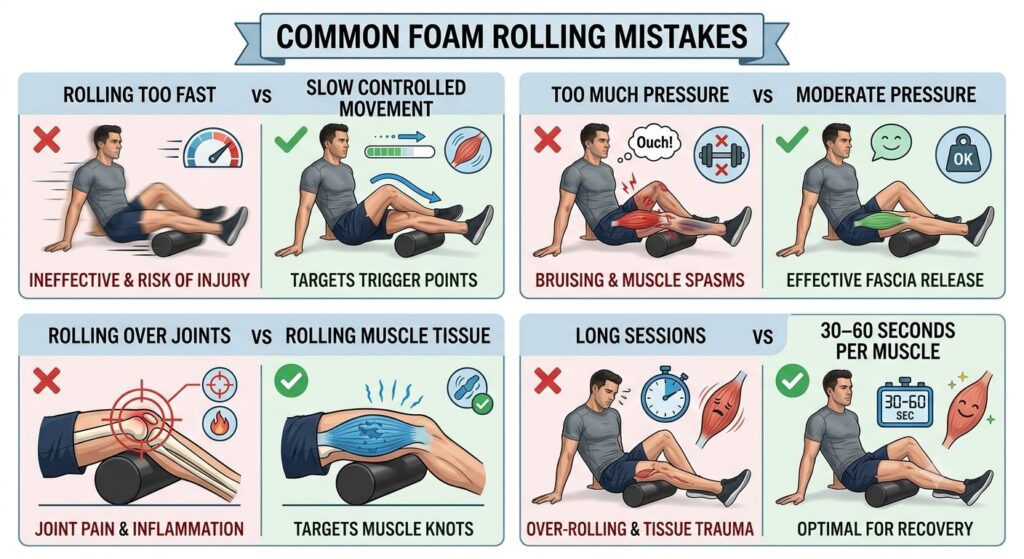
| Mistake | Better Approach |
| Rolling too fast | Move slowly and steadily |
| Applying excessive pressure | Use moderate, controlled pressure |
| Spending several minutes on one spot | Limit each area to about 30–60 seconds |
| Rolling directly over joints or bones | Focus on muscle tissue |
| Using foam rolling as the only recovery method | Combine it with sleep, hydration, nutrition, and appropriate rest |
Foam rolling should leave your muscles feeling more comfortable, not bruised or excessively painful. Mild discomfort is normal, but sharp or persistent pain is a sign to stop and reassess your technique or seek professional advice if needed.
Foam Rolling vs Stretching
Foam rolling and stretching are often grouped together, but they serve different purposes. Neither is universally better than the other. The best choice depends on your recovery goals. Foam rolling uses controlled pressure to reduce feelings of muscle tightness and improve movement. Stretching focuses on increasing muscle length and maintaining or improving flexibility.
Many people benefit from using both techniques as part of the same recovery routine rather than choosing one over the other.
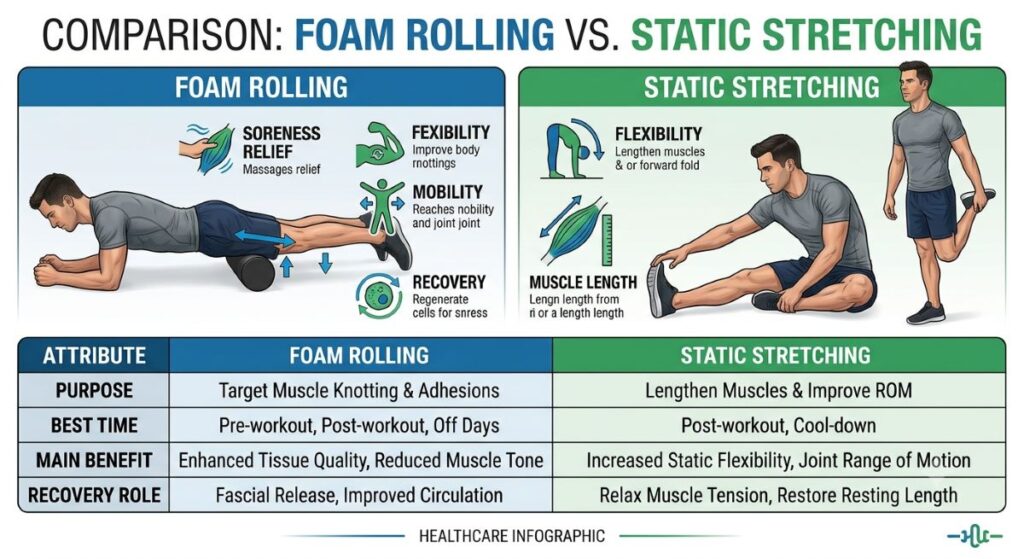
| Feature | Foam Rolling | Static Stretching |
| Primary purpose | Reduce soreness and improve mobility | Improve flexibility |
| Best after exercise | ✓ | ✓ |
| Best before exercise | ✓ (dynamic warm-up) | Limited; dynamic stretching is usually preferred |
| Helps reduce muscle soreness | Better evidence | Limited evidence |
| Improves range of motion | ✓ | ✓ |
| Replaces the other | No | No |
Who Can Benefit Most from Foam Rolling?
Foam rolling may be particularly helpful for:
People who experience muscle soreness after strength training
Runners and Endurance Athletes
Recreational exercisers returning after a break
Individuals with temporary muscle tightness following exercise
Active adults looking to maintain mobility between workouts
It may provide less benefit if your discomfort is caused by an injury, joint condition, or medical problem rather than normal post-exercise soreness. In those situations, foam rolling should not replace an appropriate medical evaluation.
Foam rolling can make recovery feel easier, but it cannot replace the habits that have the greatest impact on muscle repair.
Prioritize these recovery pillars:
- Get enough quality sleep.
- Eat enough protein and overall calories.
- Stay well hydrated.
- Allow adequate recovery between intense workouts.
- Gradually increase your training load.
Think of foam rolling as a supportive tool—not the foundation of your recovery plan.
Ask yourself these questions after your next workout:
Am I feeling normal post-workout soreness or pain that seems unusual?
Does foam rolling help me move more comfortably afterward?
Am I relying on recovery tools while overlooking sleep, nutrition, or hydration?
Would a consistent recovery routine benefit me more than adding another recovery product?
Small improvements practiced consistently often have a greater impact than searching for a single solution.
Frequently Asked Questions
Does foam rolling speed muscle recovery?
Current research suggests foam rolling improves perceived recovery by reducing soreness and improving mobility. There is limited evidence that it directly speeds the biological repair of muscle tissue.
Should you foam roll before or after a workout?
Both can be beneficial. Before exercise, foam rolling may improve mobility. After exercise, it may help reduce soreness and stiffness.
How long should you foam roll?
Most people benefit from spending 30 to 60 seconds on each muscle group, with a total session lasting about 5 to 10 minutes.
Can you foam roll every day?
Yes. Daily foam rolling is generally safe for healthy individuals when moderate pressure is used and painful or injured areas are avoided.
Does foam rolling break up lactic acid?
No. Lactic acid is naturally cleared from the body within hours after exercise. Foam rolling does not “flush out” lactic acid.
Is foam rolling better than stretching?
They have different purposes. Foam rolling may be more effective for reducing soreness, while stretching focuses on improving flexibility. Many people benefit from using both.
Can foam rolling prevent injuries?
There is no strong evidence that foam rolling alone prevents injuries. It should be part of a broader approach that includes proper training, warm-ups, strength, and recovery.
When should you avoid foam rolling?
Avoid foam rolling directly over acute injuries, open wounds, fractures, inflamed joints, or areas with severe pain unless advised by a qualified healthcare professional.
Medical Disclaimer
This content is for educational purposes only and should not be considered medical advice. Consult a qualified healthcare professional if you experience chronic sleep problems, persistent fatigue, sleep apnea symptoms, or ongoing recovery issues.
When to Consult a Healthcare Professional
Seek professional guidance if you experience:
- Chronic insomnia
- Excessive daytime sleepiness
- Suspected sleep apnea
- Persistent fatigue despite adequate sleep
- Ongoing recovery problems
Does foam rolling help muscle recovery? Yes, it can.
Current evidence suggests that foam rolling can reduce delayed onset muscle soreness, improve range of motion, and temporarily decrease muscle stiffness after exercise. These benefits may help you feel more comfortable and return to your regular activities or training with greater ease.
However, foam rolling should not be viewed as a shortcut to faster muscle healing. It does not replace the body’s natural repair process or the importance of sleep, balanced nutrition, hydration, and appropriate rest. Used alongside these proven recovery habits, foam rolling can be a practical addition to a well-rounded muscle recovery routine.

I’m Mr. Baig, founder of Recover Better Lab. I create evidence-based fitness recovery content to help beginners recover smarter and build sustainable healthy habits.
Mission: My mission is to provide trustworthy, research-backed recovery and fitness content that helps people optimize their health, performance, and overall well-being.