
After a tough workout, many athletes reach for sports drinks, electrolyte powders, or hydration tablets. These products promise faster recovery, reduced muscle cramps, and improved performance. But do electrolytes help muscle recovery, or are they simply another fitness trend?
The answer is more nuanced than many advertisements suggest.
Do Electrolytes Help Muscle Recovery?
Electrolytes are essential minerals that carry an electrical charge when dissolved in body fluids. They help regulate hydration, muscle contractions, nerve signaling, and many other functions that allow your body to perform during exercise. When you sweat, you lose both water and electrolytes. If those losses become significant and aren’t replaced, you may experience fatigue, reduced performance, headaches, dizziness, or muscle dysfunction.
Replacing lost electrolytes can support recovery by restoring normal body function after exercise. But they do not directly rebuild muscle fibers damaged during training. That job primarily involves dietary protein, adequate calories, quality sleep, and recovery time.

Quick Answer
Yes, electrolytes can help muscle recovery, but they are only one part of the recovery process. Electrolytes such as sodium, potassium, magnesium, and calcium replace minerals lost through sweat, support muscle contractions, maintain fluid balance, and help your nerves function properly. If you’ve completed a long, intense workout or exercised in hot weather, restoring electrolytes may reduce dehydration-related fatigue and improve your ability to recover for your next training session.
However, electrolytes alone do not repair damaged muscle tissue. For complete muscle recovery, you also need adequate protein, carbohydrates, sleep, and sufficient rest between workouts.
Understanding where electrolytes fit into the recovery process helps you spend your money wisely and recover more effectively.
Table of Contents
What Are Electrolytes?
Electrolytes are minerals found in your blood, muscles, and other body fluids. When dissolved in water, they carry electrical charges that allow your muscles and nerves to communicate properly.
The major electrolytes involved in exercise recovery include:
| Electrolyte | Primary Role |
| Sodium | Maintains fluid balance and helps retain water after sweating |
| Potassium | Supports muscle contractions and nerve communication |
| Magnesium | Contributes to muscle relaxation and energy production |
| Calcium | Helps muscles contract and supports nerve signaling |
| Chloride | Works with sodium to regulate hydration and acid-base balance |
These minerals constantly move in and out of cells, helping regulate countless processes that keep your body functioning during exercise. Even a small imbalance can affect performance and recovery.
Why Electrolytes Matter During Exercise

During exercise, your body produces heat. Sweating is your natural cooling system. Sweat doesn’t only contain water; it also contains electrolytes, especially sodium. The harder and longer you exercise, particularly in hot or humid environments, the greater these losses become.
Losing fluids without replacing electrolytes may lead to:
Reduced endurance
Early fatigue
Decreased exercise performance
Muscle weakness
Difficulty maintaining hydration
Headaches
Dizziness
Heat-related illness in severe cases
Most recreational workouts lasting less than an hour cause relatively small electrolyte loss. In these situations, drinking water and eating balanced meals is usually enough to restore normal levels. Longer training sessions or heavy sweating create a different situation where electrolyte replacement becomes much more important.
How Electrolytes Support Muscle Recovery
Electrolytes do not directly repair damaged muscle fibers. Instead, they create the conditions your body needs to recover efficiently. Here are the main ways they support recovery.
They Restore Fluid Balance
Rehydration is one of the first steps in recovery. When you lose fluids through sweat, blood volume decreases. This forces your heart to work harder and reduces your body’s ability to transport oxygen and nutrients to recover muscles. Sodium plays a particularly important role because it helps your body retain the fluids you drink instead of rapidly excreting them. Proper hydration supports circulation, nutrient delivery, and temperature regulation during the recovery period.
They help muscles contract normally.
Every muscle contraction depends on electrical signals generated by electrolytes. Calcium helps initiate muscle contractions, while magnesium helps muscles relax afterward. Sodium and potassium work together to create electrical impulses that allow muscles to function. If electrolyte levels become significantly depleted, muscle performance may decline. Although electrolyte replacement won’t eliminate normal post-workout soreness, maintaining healthy electrolyte balance helps muscles continue functioning as they should.
They support nerve function.
Your nervous system coordinates every movement you make. Electrolytes help transmit signals between nerves and muscles. Proper nerve communication allows muscles to contract efficiently and recover after repeated exercise. Severe electrolyte imbalances can interfere with these signals, contributing to weakness, poor coordination, or muscle dysfunction.
They May Reduce Dehydration-Related Fatigue
Many people associate post-workout fatigue solely with muscle damage. Dehydration can also make you feel sluggish, weak, and mentally exhausted after exercise. Replacing both fluids and electrolytes helps restore normal hydration more effectively than water alone after prolonged sweating. This doesn’t instantly repair muscles, but it helps your body return to normal physiological function sooner.
Do Electrolytes Reduce Muscle Soreness?
This is one of the biggest misconceptions in sports nutrition. Current evidence suggests that electrolytes do not directly reduce delayed onset muscle soreness (DOMS). DOMS develops because microscopic muscle fibers become damaged during unfamiliar or intense exercise. Your body repairs this damage over the following 24 to 72 hours, making muscles temporarily sore and stiff. Electrolytes cannot stop this natural repair process.
However, dehydration can increase feelings of fatigue and discomfort. Staying well hydrated with adequate electrolyte intake may help you feel better overall during recovery, even though it doesn’t directly reduce muscle soreness itself. If your goal is minimizing DOMS, strategies such as progressive training, sufficient protein intake, proper sleep, and allowing enough recovery time have much stronger scientific support.
Signs You May Need Electrolytes After Exercise
Not everyone needs electrolyte drinks after every workout. Many people can replace what they lose simply by eating balanced meals throughout the day. However, electrolyte replacement becomes more important if you:
Exercise for more than 60 to 90 minutes
Perform endurance training
Sweat heavily
Train in hot or humid conditions
Complete multiple workouts in one day
Notice white salt stains on clothing after exercise
Experience repeated dehydration after training
Lose significant body weight through sweating
In these situations, replacing both fluids and electrolytes may improve recovery before your next workout.
Water vs. Electrolytes: Which Is Better?
This is not a decision either. Water replaces fluid. Electrolytes help your body use and retain that fluid efficiently. For shorter workouts under an hour, plain water is usually sufficient for most healthy adults.
alone. For prolonged exercise, endurance sports, or heavy sweating, combining water with electrolytes generally provides better rehydration than water alone. The key is matching your hydration strategy to the demands of your workout rather than assuming every exercise session requires a sports drink.
Best Natural Sources of Electrolytes

You don’t always need sports drinks or supplements to restore electrolytes after exercise. For many people, a balanced meal provides the minerals needed for recovery while also supplying protein and carbohydrates.
Here are some excellent natural sources:
| Electrolyte | Food Sources |
| Sodium | Soup, cheese, olives, pickles, whole-grain bread, lightly salted meals |
| Potassium | Bananas, potatoes, sweet potatoes, avocados, oranges, spinach, beans |
| Magnesium | Pumpkin seeds, almonds, cashews, peanuts, dark leafy greens, whole grains |
| Calcium | Milk, yogurt, cheese, fortified plant-based milk, tofu, sardines |
| Chloride | Table salt, tomatoes, celery, seaweed, olives |
Combining these foods with adequate water often provides everything your body needs after moderate exercise. For example, grilled chicken with rice, roasted potatoes, vegetables, and a glass of milk supplies protein, carbohydrates, fluids, and several important electrolytes in one meal.
Sports Drinks vs. Electrolyte Tablets vs. Food
Not all electrolyte products serve the same purpose. The best option depends on your workout and recovery needs.
| Option | Best For | Advantages | Limitations |
| Water | Short workouts under 60 minutes | Readily available, calorie-free, effective for light exercise | Doesn’t replace large electrolyte losses |
| Sports drinks | Long or intense workouts | Replace fluids, electrolytes, and carbohydrates | May contain added sugars that aren’t necessary for every workout |
| Electrolyte tablets or powders | Heavy sweaters, endurance athletes | Convenient and portable with adjustable concentration | Usually provide few or no calories, so additional nutrition is still needed |
| Whole foods | Most recovery situations | Provide electrolytes, protein, carbohydrates, vitamins, and minerals | Less convenient immediately after some workouts |
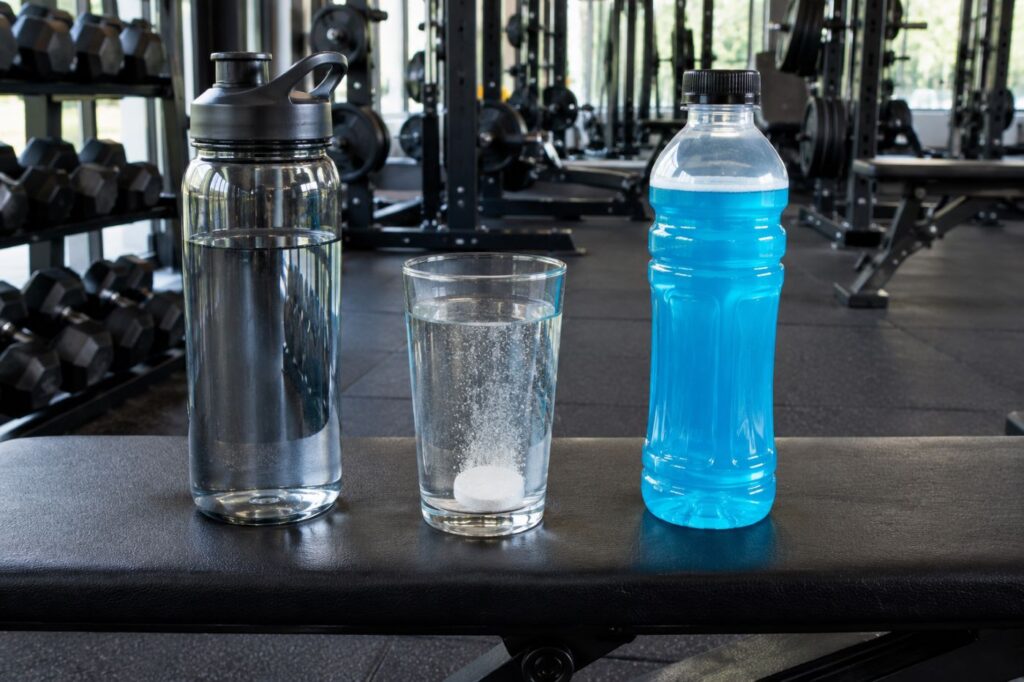
If your workout lasts less than an hour and you eat balanced meals, you probably don’t need a specialized electrolyte product. If you’re training for endurance events, exercising in extreme heat, or completing multiple intense sessions in one day, electrolyte beverages may be a practical addition to your recovery routine.
When Do You Actually Need Electrolyte Supplements?
Many marketing campaigns make it seem as though everyone needs electrolyte supplements every day. For most healthy adults, that’s simply not true. You may benefit from an electrolyte supplement if you:
Run, cycle, or hike for more than 90 minutes.
Train in hot, humid weather.
Sweat heavily during exercise.
Participate in endurance races or tournaments.
Work physically demanding jobs outdoors.
Recover from significant fluid losses due to prolonged sweating.
On the other hand, supplements are often unnecessary if you:
Walk for 30 to 45 minutes.
Perform a short strength-training session.
Exercise in a cool environment.
Eat a varied diet and stay adequately hydrated.
Using electrolyte products when they aren’t needed is unlikely to improve recovery and may simply add unnecessary expense or excess sodium and sugar to your diet.
Common Myths About Electrolytes and Recovery
Myth 1: Electrolytes Build Muscle
Electrolytes do not stimulate muscle growth or repair damaged muscle fibers. Muscle protein synthesis depends primarily on adequate protein intake, total calories, resistance training, and recovery.
Myth 2: Everyone Needs Sports Drinks After Exercise
Most recreational exercisers recover perfectly well with water and balanced meals. Sports drinks are most beneficial during prolonged, high-intensity exercise or when significant sweat losses occur.
Myth 3: Muscle Cramps Are Always Caused by Low Electrolytes
Muscle cramps are complex. Fatigue, neuromuscular overload, conditioning level, training intensity, hydration status, and electrolyte balance may all contribute. Replacing electrolytes may help in some situations, but it is not a guaranteed solution for preventing cramps.
Myth 4: Drinking More Electrolytes Always Improves Recovery
More isn’t always better. Excessive electrolyte intake provides no additional recovery benefit if your body already has adequate levels. In some cases, consuming very large amounts of sodium or electrolyte supplements without need may even be counterproductive.
The goal is to replace what you’ve lost without consuming as much as possible.
Practical Tips for Better Recovery

If you want to recover well after exercise, focus on the fundamentals before relying on supplements.
Drink fluids throughout the day instead of waiting until you’re thirsty.
Replace fluids lost during long or sweaty workouts.
Eat a meal containing protein and carbohydrates within a few hours after exercise.
Include potassium-, magnesium-, and calcium-rich foods in your regular diet.
Use electrolyte drinks primarily for prolonged or high-sweat training sessions.
Aim for seven to nine hours of quality sleep each night.
Allow enough recovery time between challenging workouts.
These habits consistently have a greater impact on recovery than any single product.
Frequently Asked Questions
Do electrolytes help muscle recovery after weight training?
They can support recovery by restoring hydration and maintaining normal muscle and nerve function, especially if you’ve sweated heavily. However, protein, carbohydrates, and sleep remain the primary drivers of muscle repair.
Are electrolyte drinks better than water?
It depends on your workout. Water is usually enough after shorter exercise sessions. Electrolyte drinks become more useful during prolonged exercise, endurance events, or heavy sweating.
Can electrolytes reduce muscle cramps?
Electrolytes may help if cramps are related to significant fluid and mineral losses, but cramps have multiple causes. Improving overall training, hydration, and recovery habits is often more effective than relying on electrolyte supplements alone.
Can you get enough electrolytes from food?
Yes. Most healthy people obtain sufficient electrolytes from a balanced diet that includes fruits, vegetables, dairy products, nuts, seeds, whole grains, and appropriately salted meals.
Should you drink electrolytes every day?
Not necessarily. Daily electrolyte supplements are generally unnecessary unless your activity level, environment, or medical condition causes unusually high electrolyte losses.
Key Takeaways
Electrolytes support muscle recovery by maintaining hydration, nerve function, and normal muscle contractions. They do not directly repair damaged muscle fibers or eliminate delayed onset muscle soreness. Water is sufficient for many shorter workouts, while electrolyte replacement becomes more important after prolonged or high-sweat exercise. Whole foods often provide enough electrolytes for most recreational exercisers. Protein, carbohydrates, sleep, and recovery time remain the foundation of effective muscle recovery.
Final Thoughts
So, do electrolytes help muscle recovery? The evidence suggests they do, but only in the role they are designed to play. Electrolytes help restore hydration, maintain normal muscle and nerve function, and replace minerals lost through sweat. These functions create an environment that supports recovery and prepares your body for its next workout. At the same time, it’s important not to overestimate their role. Electrolytes don’t rebuild muscle tissue, prevent all muscle soreness, or replace the benefits of good nutrition, quality sleep, and well-planned training.
For most people, the most effective recovery strategy is surprisingly simple: stay hydrated, eat balanced meals with enough protein and carbohydrates, sleep well, and use electrolyte drinks strategically when your workout involves prolonged exercise or heavy sweating. When combined with these fundamentals, electrolytes can be a valuable tool, but they are only one piece of the recovery puzzle.
Medical Disclaimer
This article is intended for educational purposes only and should not be considered medical advice. Individual hydration and electrolyte needs vary depending on age, health status, medications, climate, and exercise intensity. If you have kidney disease, heart disease, high blood pressure, or another medical condition that affects fluid or electrolyte balance, consult a qualified healthcare professional before making significant changes to your hydration or supplementation routine.
- How much protein you need after a workout
- Recovery day guide
- How long to rest between workouts
- Stretching after exercise
References
American College of Sports Medicine, Position statement on exercise and fluid replacement.
International Society of Sports Nutrition, Position Stand on Sports Nutrition and Recovery.
National Institutes of Health, Fact sheets on magnesium and other electrolytes.
Centers for Disease Control and Prevention, Guidance on Hydration and Heat-Related Illness.
National Athletic Trainers’ Association, Fluid replacement recommendations.

I’m Mr. Baig, founder of Recover Better Lab. I create evidence-based fitness recovery content to help beginners recover smarter and build sustainable healthy habits.
Mission: My mission is to provide trustworthy, research-backed recovery and fitness content that helps people optimize their health, performance, and overall well-being.