
Estimated Reading Time: 10–12 minutes
Last Reviewed: July 2026
Quick Answer
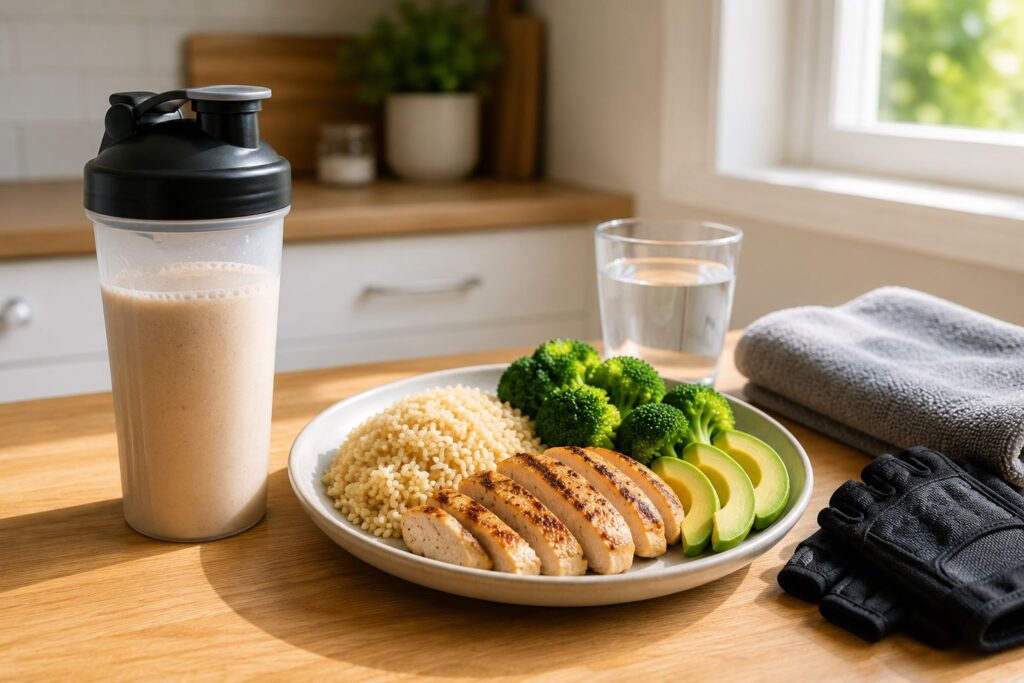
Protein shakes vs. whole foods after a workout: Neither option is universally better. Protein shakes are convenient and can help you consume high-quality protein when you’re short on time or don’t feel like eating. Whole foods provide comparable protein while also supplying vitamins, minerals, healthy fats, and other nutrients that support overall health. For most healthy adults, research suggests that consuming enough high-quality protein throughout the day is more important than whether that protein comes from a shake or a whole-food meal. The best choice depends on your schedule, appetite, training demands, and personal preferences.
Introduction
You finish your workout, wipe the sweat from your face, and head toward your bag. Inside is a protein shaker filled with powder. At home, there’s a meal waiting or maybe there isn’t. In that moment, a simple question often feels more complicated than it should:
Protein Shakes vs. Whole Foods After a Workout:

Fitness culture rarely makes the decision easier. One side treats protein shake as an essential part of recovery, while the other argues that supplements are unnecessary if you eat “clean.” Both positions contain some truth, but neither tells the whole story.
The evidence points in a different direction. Protein shakes vs. whole foods after a workout is not a contest with a single winner. Instead, it is a question of context. A protein shake is a practical way to consume high-quality protein when time, appetite, or convenience is limited. A whole-food meal delivers comparable protein while also contributing carbohydrates, healthy fats, vitamins, minerals, and other nutrients that support overall health.
For most people, the body does not reward protein simply because it comes from a shaker bottle. What matters most is consuming enough high-quality protein across the day, pairing it with regular resistance exercise, and maintaining an overall balanced diet. Whether that protein comes from grilled chicken, Greek yogurt, eggs, milk, tofu, or a whey protein shake is often a secondary consideration.
This doesn’t mean the choice never matters. Athletes train multiple times a day, people rushing between work and the gym, or anyone who struggles to eat after exercise may benefit from the speed and convenience of a protein shake. Others who can comfortably eat a balanced meal soon after training may gain additional nutritional value from whole foods without sacrificing recovery.
Why Your Muscles Need Protein After Exercise
Exercise, particularly resistance training, places your muscles under mechanical stress. Tiny disruptions occur within muscle fibers as they adapt to the demands placed upon them. This process is a normal part of training and serves as the stimulus for repair, recovery, and long-term strength gains.
Protein provides the amino acids your body uses to repair these muscle fibers. Without an adequate supply of amino acids, the recovery process becomes less efficient, potentially limiting muscle repair and adaptation over time.
It’s important to understand that muscles do not grow simply because you drink a protein shake or eat a high-protein meal. Muscle growth occurs when resistance training stimulates muscle protein synthesis (MPS), the process of building new muscle proteins, and your body has enough dietary protein to support that process.
How Muscle Protein Synthesis Works
Muscle protein synthesis is a biological process through which the body repairs damaged muscle tissue and builds new muscle proteins after exercise. Resistance exercise increases the muscles’ sensitivity to amino acids. When you consume a protein-rich meal or shake after training, digestion breaks the protein into amino acids, which enter the bloodstream and become available for muscle repair.
One amino acid, leucine, plays a particularly important role. Often described as a “trigger” for muscle protein synthesis, leucine helps activate the cellular pathways responsible for initiating muscle repair. This is why many high-quality protein sources, including whey protein, dairy products, eggs, meat, fish, soy foods, and some plant-based protein blends, are effective for post-workout recovery.
However, muscle protein synthesis is only one side of the equation. Your muscles are constantly undergoing both protein breakdown and protein synthesis. Recovery and muscle growth occur when synthesis exceeds breakdown over time. Achieving that balance depends on regular training, sufficient total protein intake, adequate energy intake, sleep, and recovery, not on one specific post-workout product.
Why Total Daily Protein Matters More Than Many People Think
For years, fitness advice emphasized consuming protein immediately after exercise, leading many people to believe that missing a post-workout shake meant missing their opportunity to recover. Current research paints a more balanced picture.
The so-called “anabolic window” is generally much wider than once believed for most healthy individuals. While consuming protein after exercise is beneficial, the overall amount of protein consumed throughout the day has a greater influence on muscle recovery and adaptation than the precise timing of a single meal.
For most active adults, consistently meeting daily protein requirements and distributing protein across several meals provides a stronger foundation for recovery than focusing exclusively on what happens in the first few minutes after a workout.
This perspective also helps answer the central question of this article. If your daily protein intake is already adequate, the choice between a protein shake and a whole-food meal becomes less about physiological superiority and more about practicality. A protein shake may help you meet your protein target when time is limited, while a balanced whole-food meal can accomplish the same goal while contributing additional nutrients that support overall health.
In other words, your muscles recognize amino acids, not marketing labels. Whether those amino acids come from a shaker bottle or a dinner plate is often less important than consistently providing your body with enough high-quality protein to support recovery.
Protein Shakes vs. Whole Foods After a Workout: A Side-by-Side Comparison
Both protein shakes and whole foods can help you recover after exercise. The difference is not that one builds muscle while the other does not. Instead, they differ in how they fit into your daily routine, the nutrients they provide, and the situations in which they are most useful. The comparison below looks beyond protein content alone and considers the practical factors that influence recovery.
| Feature | Protein Shakes | Whole Foods |
| Protein quality | Typically high, especially whey, casein, or soy isolates | High when choosing foods such as eggs, dairy, poultry, fish, lean meat, tofu, or legumes |
| Digestion | Often faster | Generally slower due to the food matrix |
| Convenience | Excellent for busy schedules and travel | Requires preparation or access to a meal |
| Micronutrients | Usually limited | Rich in vitamins, minerals, and other beneficial compounds |
| Fiber | Usually absent | Often present, depending on the meal |
| Satiety | Lower | Higher due to greater volume and nutrient complexity |
| Cost | Can be expensive over time | Often more economical when meals are planned |
| Best use | When convenience is the priority | When a balanced meal is available |
Protein Quality
One of the biggest misconceptions is that protein powder contains a “special” type of protein that muscles prefer. What matters is whether the protein provides enough essential amino acids to stimulate muscle protein synthesis. Whey protein has earned its reputation because it contains all nine essential amino acids, is rich in leucine, and is highly digestible. However, it is not the only high-quality protein available.
Whole foods such as eggs, milk, Greek yogurt, chicken, turkey, fish, lean beef, soy products, and many dairy foods also provide complete proteins capable of supporting muscle repair and growth. Rather than asking whether shakes or food contain “better” protein, a more useful question is whether your chosen meal provides enough high-quality protein to support recovery. For most healthy adults, the answer can be yes with either option.
Leucine Content
Leucine is one of the branched-chain amino acids and plays a central role in initiating muscle protein synthesis. Many whey protein powders naturally contain a high concentration of leucine, which is one reason they are widely used after exercise. However, leucine is not exclusive to supplements. Foods such as:
- Milk
- Greek yogurt
- Cottage cheese
- Eggs
- Chicken
- Turkey
- Beef
- Fish
Soy products also provide meaningful amounts of leucine as part of a complete protein source. Meeting an appropriate protein intake from these foods generally provides sufficient leucine for most active individuals without requiring supplementation.
Digestion Speed
Protein shakes are liquids, so they are generally digested and absorbed more quickly than solid meals. This faster digestion can be useful when:
You need to eat quickly before returning to work.
You have another training session later in the day.
You have little appetite after intense exercise.
You need a portable recovery option while traveling.
However, faster digestion should not automatically be interpreted as better recovery. For someone eating a balanced diet and training once a day, the slightly slower digestion of whole food is unlikely to reduce recovery or muscle growth in any meaningful way. Instead, slower digestion may provide a steadier release of amino acids while also helping you stay satisfied for longer.
Satiety
Recovery is only one part of nutrition. Feeling full and satisfied also influences long-term eating habits. Whole foods generally create greater satiety because they contain combinations of protein, carbohydrates, healthy fats, fiber, and water. Consider the difference between the following:
- A whey protein shake mixed with water.
- A meal containing grilled chicken, brown rice, vegetables, and olive oil.
Both may provide similar amounts of protein, but the meal is more likely to satisfy hunger and contribute to sustained energy throughout the day. For individuals trying to manage appetite or maintain healthy eating patterns, this additional satiety can be a meaningful advantage.
Convenience
This is where protein shakes clearly excel. A shaker bottle can be prepared in less than a minute, transported almost anywhere, and consumed immediately after training without cooking or refrigeration in many cases. That convenience often improves consistency. Someone who regularly misses meals because of work, commuting, or family responsibilities may benefit more from a protein shake than from an ideal meal that never gets eaten.
Convenience should not be dismissed as a minor factor. In nutrition, the strategy you consistently follow is usually more effective than the perfect strategy that is difficult to maintain.
Cost
Protein powders are often marketed as an economical source of protein, but the answer depends on the product and your eating habits. Premium protein supplements can become expensive when used daily.
By comparison, foods such as
- Eggs
- Milk
- Greek yogurt
- Cottage cheese
- Chicken
- Canned tuna
- Lentils
- Beans
can provide high-quality protein at a lower cost, particularly when meals are planned. For many households, investing in nutritious whole foods may offer better overall nutritional value than relying heavily on supplements.
Micronutrients
Perhaps the greatest advantage of whole foods is everything they provide beyond protein. A balanced meal contributes nutrients that protein powders often contain in only small amounts or not at all, including:
- Vitamins
- Minerals
- Healthy fats
- Fiber
- Antioxidants
- Phytochemicals
These nutrients support immune function, cardiovascular health, digestive health, bone health, and overall well-being. Protein powders are designed to solve one problem by providing protein efficiently. Whole foods contribute to many aspects of health simultaneously. For that reason, protein shakes should generally be viewed as a supplement to a healthy diet rather than a replacement for balanced meals.
When Protein Shakes May Be the Better Choice
Although protein shakes are not inherently superior to whole foods, there are situations where they offer practical advantages. In these circumstances, convenience can make the difference between meeting your recovery needs and skipping protein altogether.
You’re Short on Time
Not everyone can prepare or eat a balanced meal after exercising. You might finish a workout before work, during a lunch break, or while commuting between responsibilities. In these situations, a protein shake provides a quick, portable source of high-quality protein that requires little preparation. If the alternative is waiting several hours before eating, a protein shake can help bridge that gap.
You Have Little Appetite After Exercise
Some people lose their appetite after intense workouts, particularly endurance sessions or high-intensity interval training. Eating a full meal may feel unappealing, but drinking a protein shake is often easier. Because liquids are generally easier to consume than solid foods, a shake may help you achieve your protein target when eating feels difficult.
You Train More Than Once a Day
Athletes with multiple daily training sessions often have limited time to recover between workouts. In these cases, quickly digestible protein can be useful because it allows recovery nutrition to begin without delaying the next training session. A protein shake can also be paired with carbohydrates to replenish energy stores before the next bout of exercise.
You’re Traveling or Away from Home
Business trips, vacations, tournaments, and long commutes can make access to nutritious meals unpredictable. Carrying individual servings of protein powder or ready-to-drink protein beverages offers a practical solution when healthy food options are limited. While whole foods remain preferable when available, portability is one of the strongest advantages of protein supplements.
You Need a Predictable Protein Intake
Whole-food meals naturally vary in their protein content unless carefully measured. Protein powders typically provide a standardized amount of protein per serving, making them useful for individuals who closely monitor their intake, such as competitive athletes or those following structured nutrition programs. This consistency can simplify meal planning without replacing balanced eating habits.
When Whole Foods May Be the Better Choice
For many people, especially those training recreationally, whole foods remain an excellent and often preferable, post-workout option. Their benefits extend beyond muscle recovery and contribute to overall dietary quality.
You’re Eating a Meal Soon After Training
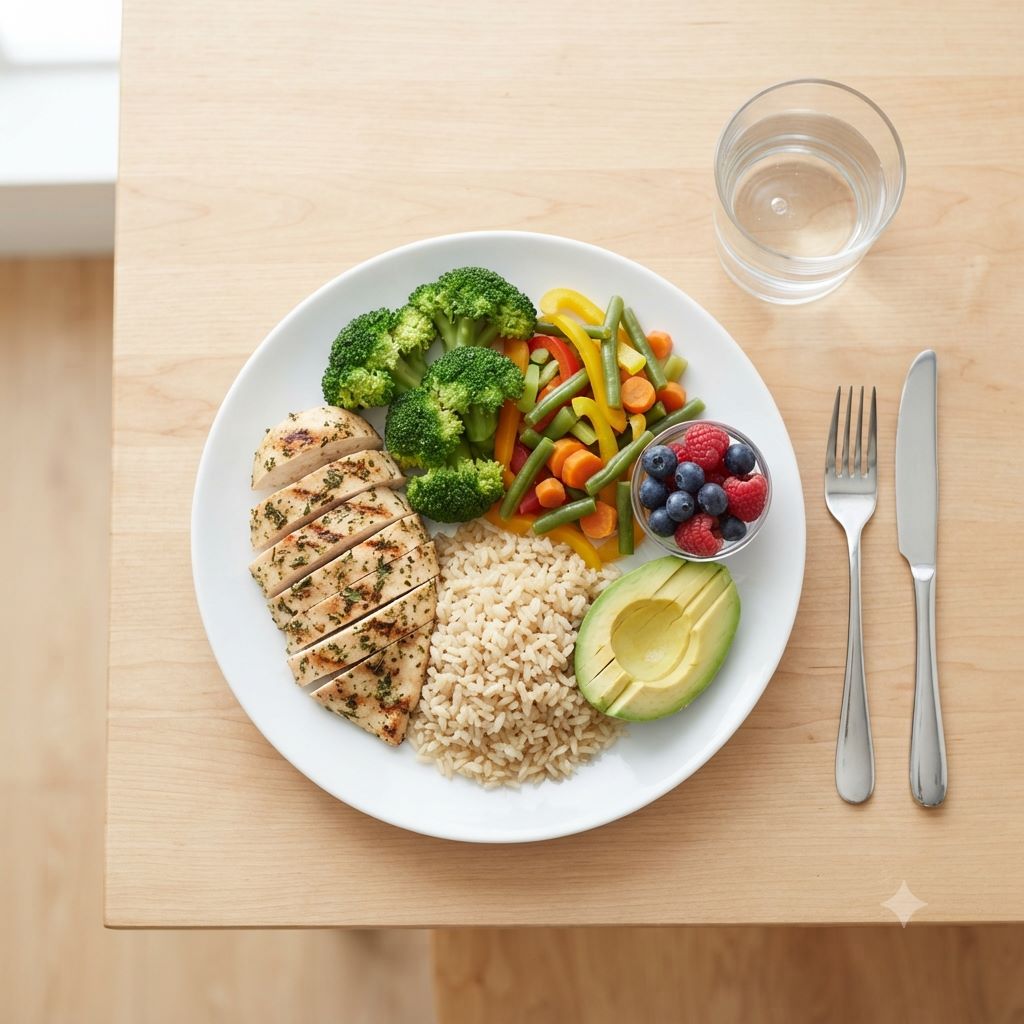
If you’re planning to eat breakfast, lunch, or dinner within the next hour or two after exercising, there’s often little reason to drink a protein shake first. A balanced meal containing high-quality protein can effectively support recovery while also supplying carbohydrates to replenish energy stores and additional nutrients that support overall health.
Examples include:
- Grilled chicken with rice and vegetables
- Greek yogurt with fruit and nuts
- Eggs on whole-grain toast
- Baked salmon with potatoes and vegetables
- Tofu stir-fried with rice
These meals provide far more than protein alone.
You Want Greater Fullness
Solid foods generally require more chewing, occupy more volume in the stomach, and often contain fiber and healthy fats. As a result, they usually provide greater satiety than liquid protein. For people managing hunger or trying to maintain a healthy body weight, this increased fullness can make balanced meals easier to sustain over time.
You Want Better Overall Nutrition
Protein is only one component of recovery. Whole foods also provide nutrients that contribute to:
- Immune function
- Bone health
- Heart health
- Digestive health
- Nervous system function
- Long-term disease prevention
A chicken breast supplies protein, but when combined with vegetables, whole grains, and healthy fats, it becomes a nutritionally complete meal that supports health far beyond muscle recovery.
You Want to Build Sustainable Eating Habits
Nutrition is not determined by one meal. Long-term health depends on consistent dietary patterns. Relying primarily on balanced meals encourages variety, increases intake of nutrient-dense foods, and helps establish eating habits that are easier to maintain throughout life. Protein shakes can certainly be part of that pattern, but they should complement and not consistently replace the whole-food meals.
Can Protein Shakes Replace Whole Foods?
Protein shakes can replace a meal occasionally, but they should not routinely replace whole foods for most healthy adults. This distinction is important because protein and nutrition are not the same thing. A protein shake may deliver 25 to 30 grams of high-quality protein, yet it usually contains far fewer vitamins, minerals, healthy fats, fiber, and naturally occurring bioactive compounds than a balanced meal.
Replacing meals with shakes occasionally, for example, after a workout when you’re traveling or pressed for time is unlikely to be problematic. Replacing balanced meals every day is a different matter. Over time, relying heavily on supplements may reduce dietary variety and make it harder to consume the broad range of nutrients needed for overall health.
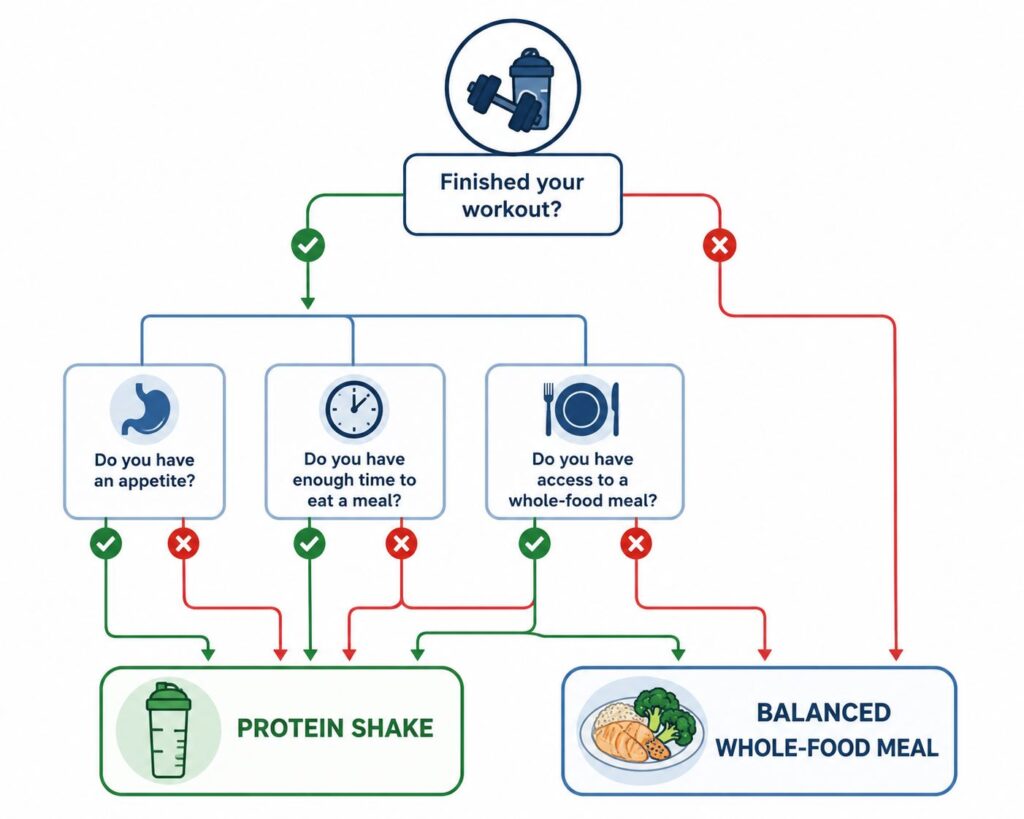
For most people, a practical approach looks like this:
Choose a balanced whole-food meal whenever it is realistic.
Use protein shakes when convenience, timing, or appetite makes a meal difficult.
Focus on consistently meeting your daily protein goal rather than becoming dependent on supplements.
Protein shakes work best as a nutritional tool rather than a nutritional strategy. They solve specific problems, but they are not designed to replace the value of a varied, balanced diet.
Does Timing Matter More Than Food Choice?
For many years, post-workout nutrition revolved around the idea of an “anabolic window,” a brief period after exercise during which muscles were thought to absorb nutrients far more effectively. This belief led many people to rush for a protein shake immediately after their last repetition. Current evidence suggests reality is more nuanced.
Your muscles are indeed more responsive to protein after exercise, but this heightened sensitivity lasts much longer than a few minutes. For most healthy adults who eat balanced meals throughout the day, consuming adequate protein within a reasonable period after training is generally sufficient to support recovery.
This means the question is often not
“Did I drink my shake within 30 minutes?”
Instead, it is:
“Did I consume enough high-quality protein throughout the day?”
For someone who trained after breakfast and plans to eat lunch within an hour, another protein source immediately after exercise may offer little additional benefit.
On the other hand, if several hours will pass before your next meal, consuming protein sooner, whether through a shake or whole food, can help support recovery and prevent a prolonged gap in protein intake. Timing still matters, but it should be viewed within the context of your entire day’s eating pattern rather than as a race against the clock.
Common Myths About Protein Shakes and Whole Foods
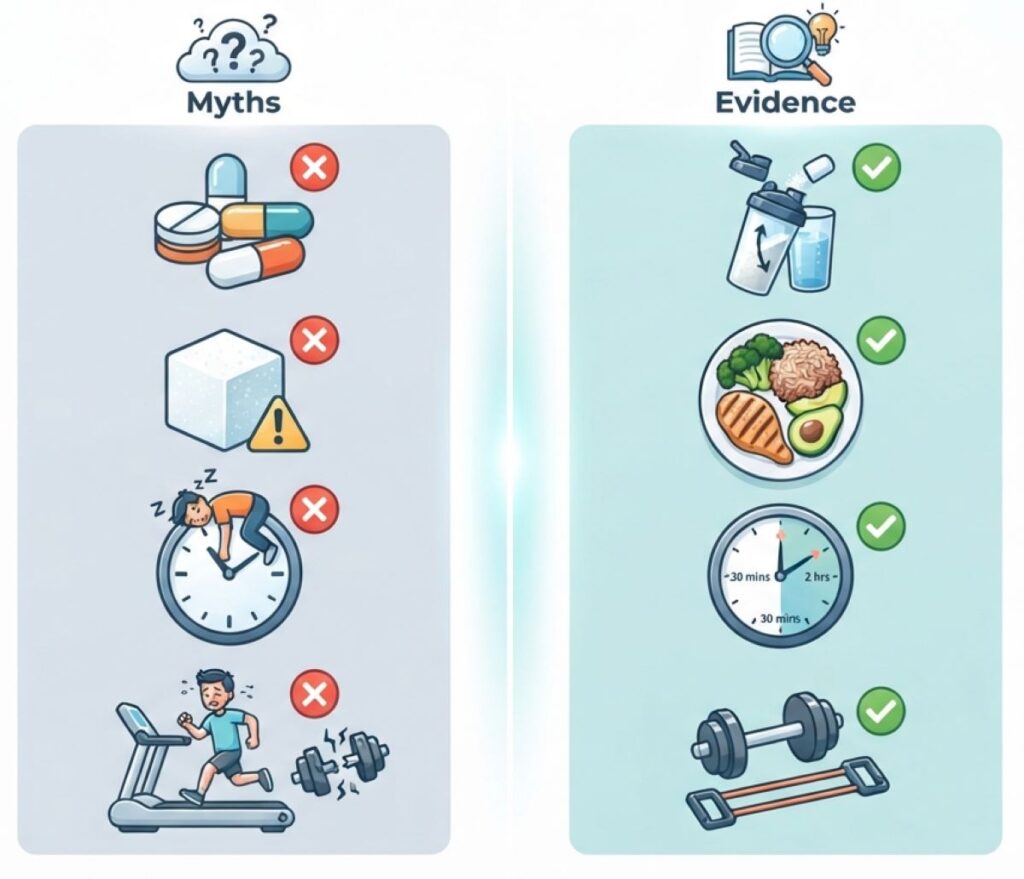
Nutrition advice often spreads faster than nutrition science. Many beliefs about post-workout protein originated from marketing, gym culture, or outdated interpretations of research. Separating myths from evidence can make recovery decisions much simpler.
| Myth | What the Evidence Says |
| Protein shakes build more muscle than whole foods. | When total protein intake is adequate, whole-food protein and protein shakes can both effectively support muscle recovery and growth. |
| You must drink a protein shake immediately after every workout. | Immediate protein intake is not essential for everyone. Overall daily protein intake and regular meal distribution generally have a greater influence on long-term results. |
| Whole foods digest too slowly to help recovery. | Whole foods provide effective post-workout protein and additional nutrients that contribute to overall health. |
| Protein powders are required to gain muscle. | Many people build strength and muscle successfully using balanced meals without supplements. |
| More protein always means faster muscle growth. | Once protein needs are met, consuming substantially more protein does not automatically produce greater muscle gains. Progressive training, recovery, and adequate energy intake also play major roles. |
| Protein shakes are unhealthy because they are processed. | Many protein powders are simply concentrated sources of dietary protein. Their nutritional value depends on ingredient quality, overall diet, and how they are used. |
The common theme across these myths is that recovery is rarely determined by one product or one meal. Consistent training, adequate nutrition, sufficient sleep, and appropriate recovery habits work together to support progress.
Practical Decision Framework
Instead of asking which option is always better, ask which option fits your current situation. Use the following guide to make practical decisions.
| If your situation is… | Consider choosing… | Why |
| You have a balanced meal planned within the next 1–2 hours. | Whole-food meal | Provides protein along with carbohydrates, vitamins, minerals, and greater satiety. |
| You’re rushing to work after the gym. | Protein shake | Fast, portable, and easy to consume when time is limited. |
| You have little appetite after exercising. | Protein shake | Liquid nutrition is often easier to tolerate than a full meal. |
| You’re traveling or don’t have access to healthy meals. | Protein shake | Offers a practical way to maintain protein intake. |
| You’re trying to improve your overall diet quality. | Whole-food meal | Encourages nutrient diversity and long-term healthy eating habits. |
| You’re training twice in one day. | Protein shake followed by a balanced meal | Helps begin recovery quickly while allowing a complete meal later. |
| You’re trying to manage hunger or body weight. | Whole-food meal | Greater satiety may help control appetite between meals. |
There is no need to commit exclusively to one approach. Many active people naturally use both. A protein shake may fit your schedule on busy weekdays, while whole-food meals become the preferred choice when time allows. This flexible approach often proves easier to maintain than rigid rules about what you “must” consume after every workout.
Ultimately, consistency outweighs perfection. The recovery strategy you can follow week after week is likely to deliver better results than the ideal plan that rarely fits your lifestyle.
Evidence Spotlight
The biggest factor for recovery is consistently meeting your daily protein requirements, not whether the protein comes from a shaker bottle or a dinner plate.
Practical Tip
If you know you’ll eat a balanced meal within the next one to two hours, a protein shake is often optional rather than essential.
Editor’s Insight Protein shakes should be viewed as a convenience tool, not a replacement for a nutrient-rich diet.
Frequently Asked Questions
Are protein shakes better than whole foods after a workout?
No. Both support recovery. Protein shakes offer convenience, while whole foods provide additional nutrients. The best choice depends on your lifestyle and daily protein intake.
Can I skip a protein shake if I eat after my workout?
Yes. A balanced, protein-rich meal within a couple of hours after exercise is usually enough for recovery.
What are the best foods after a workout?
Greek yogurt, eggs, chicken, fish, milk, cottage cheese, tofu, and beans paired with carbohydrate-rich foods are excellent choices.
Is whey protein better than chicken or eggs?
No. Whey digests faster, but chicken, eggs, and other complete proteins support muscle recovery just as effectively.
How much protein should I eat after a workout?
Aim for a protein-rich meal after exercise and ensure you meet your total daily protein needs.
Can protein shakes replace meals?
Occasionally, yes. Regularly replacing balanced meals with protein shakes may reduce overall dietary quality.
Are protein shakes necessary for beginners?
No. Most beginners can meet their recovery needs through balanced meals without using protein supplements.
Are plant-based protein shakes as effective as whey?
Yes, if they provide all essential amino acids and enough protein to support recovery.
Recover Better Lab Summary
Choosing between protein shakes and whole foods after a workout is less about finding the “perfect” option and more about selecting the one that fits your lifestyle while helping you consistently meet your nutritional needs.
Protein shakes are valuable because they are convenient, portable, and easy to consume when time, appetite, or access to food is limited. Whole foods provide the same fundamental building blocks for muscle recovery while contributing vitamins, minerals, healthy fats, fiber, and other nutrients that support long-term health.
For most healthy adults, current evidence suggests that total daily protein intake, regular resistance training, sufficient sleep, and an overall balanced diet have a greater influence on recovery than whether protein comes from a shaker bottle or a dinner plate.
Instead of asking, “Which one is better?” Consider asking:
“Which option helps me consistently meet my recovery goals today?”
That shift in perspective leads to a more flexible, sustainable, and evidence-based approach to post-workout nutrition.
Key Message
Protein shakes and whole foods can both support muscle recovery after exercise. For most people, consistently meeting daily protein needs is more important than choosing one protein source over the other. Protein shakes offer convenience, while whole foods provide additional nutrients that support long-term health. The best choice depends on your schedule, appetite, and overall eating pattern.
When to Consult a Healthcare Professional
Consider speaking with a registered dietitian, sports dietitian, or healthcare professional if:
- You have kidney disease or another medical condition that affects protein intake.
- You are pregnant or breastfeeding and need individualized nutrition advice.
- You follow a restrictive diet and are concerned about meeting protein requirements.
- You experience persistent digestive discomfort after consuming protein supplements.
- You are an elite athlete requiring individualized sports nutrition planning.
- You are unsure how much protein is appropriate for your age, body size, health status, or training goals.
Personalized advice can help ensure your nutrition supports both your performance and your overall health.
Medical Disclaimer
This article is intended for educational purposes only and should not be considered medical advice. It does not replace individualized assessment, diagnosis, or treatment from a qualified healthcare professional. Nutrition needs vary based on age, medical history, medications, activity level, and personal goals. Always consult your physician or a qualified registered dietitian before making significant dietary changes or beginning a new supplementation program, particularly if you have an underlying medical condition.
References
International Society of Sports Nutrition.
American College of Sports Medicine.
Position Statements
- Jäger R, Kerksick CM, Campbell BI, et al. International Society of Sports Nutrition Position Stand: Protein and Exercise. Journal of the International Society of Sports Nutrition. 2017; 14:20.
DOI: https://doi.org/10.1186/s12970-017-0177-8 - Thomas DT, Erdman KA, Burke LM. Position of the Academy of Nutrition and Dietetics, Dietitians of Canada, and the American College of Sports Medicine: Nutrition and Athletic Performance. Journal of the Academy of Nutrition and Dietetics. 2016;116(3):501–528.
DOI: https://doi.org/10.1016/j.jand.2015.12.006
Systematic Reviews
- Morton RW, Murphy KT, McKellar SR, et al. A Systematic Review, Meta-analysis, and Meta-regression of the Effect of Protein Supplementation on Resistance Training-Induced Gains in Muscle Mass and Strength in Healthy Adults. British Journal of Sports Medicine. 2018;52(6):376–384.
DOI: https://doi.org/10.1136/bjsports-2017-097608
Schoenfeld BJ, Aragon AA. How Much Protein Can the Body Use in a Single Meal for Muscle-Building? Implications for Daily Protein Distribution. Journal of the International Society of Sports Nutrition. 2018;15:10.
DOI: https://doi.org/10.1186/s12970-018-0215-1

I’m Mr. Baig, founder of Recover Better Lab. I create evidence-based fitness recovery content to help beginners recover smarter and build sustainable healthy habits.
Mission: My mission is to provide trustworthy, research-backed recovery and fitness content that helps people optimize their health, performance, and overall well-being.