
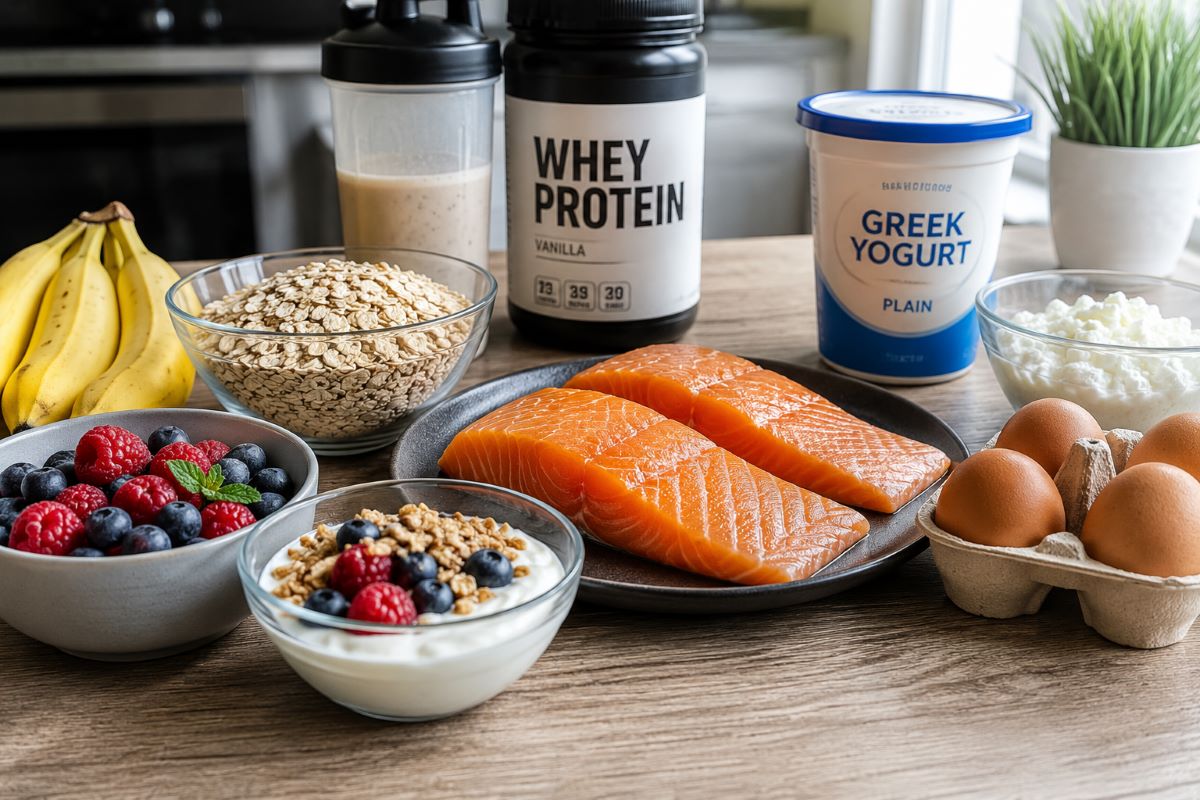
Best Foods for Muscle Recovery at Home (Beginner Guide)
Have you ever finished a workout feeling motivated, only to wake up the next morning sore, stiff, and completely exhausted?
Many beginners assume muscle recovery happens automatically. In reality, what you eat after exercise plays a major role in how quickly your body repairs muscle tissue, restores energy, and prepares for your next workout.
Poor recovery nutrition can lead to:
- Increased muscle soreness after starting a workout program
- Lower energy levels
- Slower fitness progress
- Poor workout performance
- Greater risk of burnout
According to the American College of Sports Medicine, proper post-workout nutrition helps replenish glycogen stores, repair muscle tissue, and support overall recovery after physical activity.
The good news:
You don’t need expensive supplements or complicated meal plans. Many of the most effective recovery foods are already available in your kitchen.
Whether you’re starting a home workout program, joining a gym for the first time, or trying to improve your fitness results, this beginner-friendly guide will show you exactly what to eat to recover better and feel stronger.
Table of Contents
Best Foods for Muscle Recovery at Home
Have you ever finished a workout feeling motivated, only to wake up the next morning sore, stiff, and completely exhausted?
Many beginners assume muscle recovery happens automatically. In reality, what you eat after exercise plays a major role in how quickly your body repairs muscle tissue, restores energy, and prepares for your next workout.
Poor recovery nutrition can lead to:
- Increased muscle soreness
- Lower energy levels
- Slower fitness progress
- Poor workout performance
- Greater risk of burnout
According to the American College of Sports Medicine, proper post-workout nutrition helps replenish glycogen stores, repair muscle tissue, and support overall recovery after physical activity.
The good news?
You don’t need expensive supplements or complicated meal plans.
Many of the most effective recovery foods are already available in your kitchen.
Whether you’re starting a home workout program, joining a gym for the first time, or trying to improve your fitness results, this beginner-friendly guide will show you exactly what to eat to recover better and feel stronger.
“
Why Nutrition Matters for Muscle Recovery
Most people focus heavily on exercise but underestimate the importance of recovery nutrition.
Think of your workout as creating the stimulus for improvement. Your recovery meals provide the building materials your body needs to adapt and grow stronger.
Without proper nutrition, your muscles cannot fully recover.
What Nutrients Actually Help Muscles Recover?
Muscle recovery is not just about eating more food after a workout. Your body needs specific nutrients to repair muscle tissue, restore energy stores, reduce soreness, and prepare for your next workout. Understanding these key nutrients can help beginners make smarter food choices and recover more effectively.
Protein Supports Muscle Repair
Protein provides the amino acids your body uses to repair and rebuild muscle fibers damaged during exercise. After a workout, muscle protein synthesis increases, making protein one of the most important nutrients for recovery. Good beginner-friendly protein sources include eggs, Greek yogurt, chicken, fish, milk, beans, and lentils.
Carbohydrates Refill Energy Stores
During exercise, your body uses glycogen, a stored form of carbohydrate, for fuel. After a workout, carbohydrates help replenish these energy stores so your muscles can recover and perform well during future training sessions. Oats, rice, potatoes, bananas, and whole grains are excellent recovery-friendly carbohydrate sources.
Recovery Tip: Pair carbohydrates with protein after workouts for better recovery support.
Healthy Fats Help Manage Inflammation
Healthy fats play a role in overall health and may help support the body’s natural recovery process. Sources such as salmon, walnuts, chia seeds, flaxseeds, and avocados provide beneficial fats that support recovery and long-term performance.
Recovery Tip: Include healthy fats regularly, but avoid making them the largest part of your post-workout meal.
Hydration Supports Every Recovery Process
Water is often overlooked, but even mild dehydration can affect recovery, energy levels, and workout performance. Proper hydration helps transport nutrients to muscles, regulate body temperature, and support normal recovery functions.
Recovery Tip: Drink water consistently throughout the day, not just after exercise.
The best recovery foods combine several of these nutrients rather than focusing on just one. That’s why the most effective post-workout meals often include protein, carbohydrates, healthy fats, and adequate hydration. In the next section, we’ll look at how food directly supports the recovery process after exercise.
Why Food Matters After Exercise
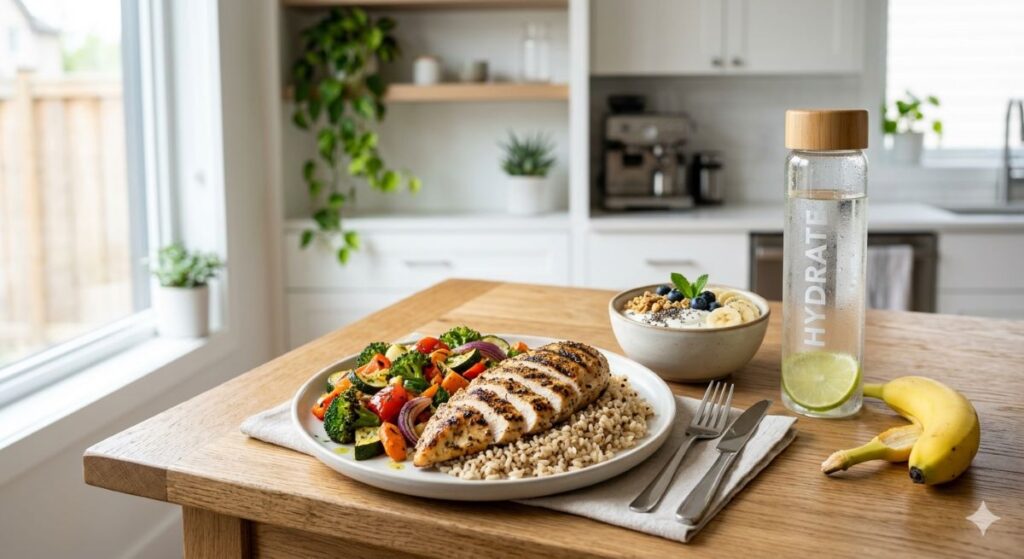
muscle repair
glycogen refill
recovery support
1. Muscle Repair
During exercise, especially strength training, tiny microscopic tears occur within muscle fibers.
This process is completely normal.
Recovery nutrition supplies amino acids from dietary protein, which your body uses to rebuild these fibers stronger than before.
Protein-rich foods such as eggs, Greek yogurt, chicken breast, and cottage cheese provide essential amino acids that support muscle protein synthesis—the process responsible for muscle repair and growth.
Aim to consume a quality protein source within a few hours after training.
Examples:
Cottage cheese
2–3 eggs
Greek yogurt
Chicken breast
2. Glycogen Replenishment
When you exercise, your body uses stored carbohydrates called glycogen for energy. After a workout, glycogen stores become partially depleted. Replacing these energy reserves is critical, especially if you train regularly. Carbohydrate-rich foods help restore glycogen levels and improve recovery.
Excellent choices include:
- Bananas
- Oats
- Sweet potatoes
- Whole grains
- Fruit
Many beginners mistakenly focus only on protein while ignoring carbohydrates.
Recovery requires both.
Myth vs Fact
Myth: Protein alone is enough for recovery. Fact: Protein repairs muscles, but carbohydrates replenish energy stores and support overall recovery.
3. Inflammation Control
Exercise creates temporary inflammation as part of the adaptation process. However, excessive inflammation may increase soreness and delay recovery. Certain foods contain antioxidants and anti-inflammatory compounds that help support a healthy recovery response.
Examples include:
- Berries
- Salmon
- Nuts
- Seeds
- Colorful fruits and vegetables
These foods help combat oxidative stress generated during exercise.
Recovery Tip
Try adding berries to Greek yogurt after workouts. You’ll get protein, carbohydrates, antioxidants, and a satisfying recovery snack in one meal.
4. Hydration Support
Even mild dehydration can negatively affect recovery, performance, and energy levels. Water helps transport nutrients throughout the body and supports numerous recovery processes.
Electrolytes such as
- Sodium
- Potassium
- Magnesium
help maintain fluid balance and support muscle function.
Good hydration sources include the following:
- Water
- Milk
- Fruits
- Vegetables
- Electrolyte-rich foods
“Muscles recover best when nutrition and hydration work together.”
Scientific Evidence
Research from the International Society of Sports Nutrition consistently shows that combining protein and carbohydrates after exercise improves recovery outcomes compared to consuming either nutrient alone.
A balanced recovery meal supports:
- Muscle protein synthesis
- Glycogen restoration
- Reduced recovery time
- Improved training performance
- Long-term fitness progress
For beginners, consistency matters more than perfection.
You don’t need a complicated recovery strategy. You simply need to provide your body with quality nutrients after exercise on a regular basis.
Recovery Checklist
After every workout, ask yourself:
✅ Did I eat a protein source?
✅ Did I eat a carbohydrate source?
✅ Did I drink enough water?
✅ Did I include nutrient-dense foods?
✅ Am I recovering before my next workout?
Want Faster Recovery?
Start by improving your post-workout meals. Small nutrition changes often produce surprisingly large recovery benefits.
Signs Your Body Needs Better Recovery Nutrition
Many beginners assume soreness is the only sign of poor recovery.
In reality, your body often sends several warning signals when it isn’t getting the nutrients it needs after exercise.
If you regularly experience the symptoms below, your recovery nutrition may need improvement.
Persistent Fatigue
Do you feel tired even after getting enough sleep?
Poor recovery nutrition can leave your body struggling to restore energy stores after workouts. When glycogen levels remain low, fatigue often follows.
What to Do
- Include carbohydrates after workouts
- Eat balanced meals throughout the day
Avoid skipping meals
Excessive Muscle Soreness
Some soreness is normal. However, severe soreness lasting several days may indicate inadequate recovery support. A lack of protein, carbohydrates, hydration, or total calories can slow muscle repair.
What to Do
- Prioritize protein-rich foods
- Stay hydrated
Eat within a few hours after training
Slow Fitness Progress
Are you exercising consistently but seeing little improvement?
Recovery is where adaptation happens. Without proper nutrition, your body cannot effectively rebuild and strengthen muscle tissue.
Common Signs
- Strength plateaus
- Poor workout performance
- Difficulty increasing weights
- Reduced endurance
Poor Sleep Quality
Recovery nutrition and sleep work together.
Low energy intake, poor hydration, or nutrient deficiencies may negatively affect sleep quality. Poor sleep then slows recovery even further.
This creates a frustrating cycle.
Recovery Tip
Better recovery nutrition often leads to better sleep, and better sleep improves recovery.
Low Energy During Workouts
If you’re constantly feeling drained before workouts, recovery nutrition from previous days may be insufficient.
Many beginners underestimate how much fuel their bodies need.
Quick Fix
Try adding:
- Oats at breakfast
- Fruit before training
- A recovery snack after workouts
Action Step
Track these symptoms for one week to identify recovery gaps.
The 10 Best Foods for Muscle Recovery at Home
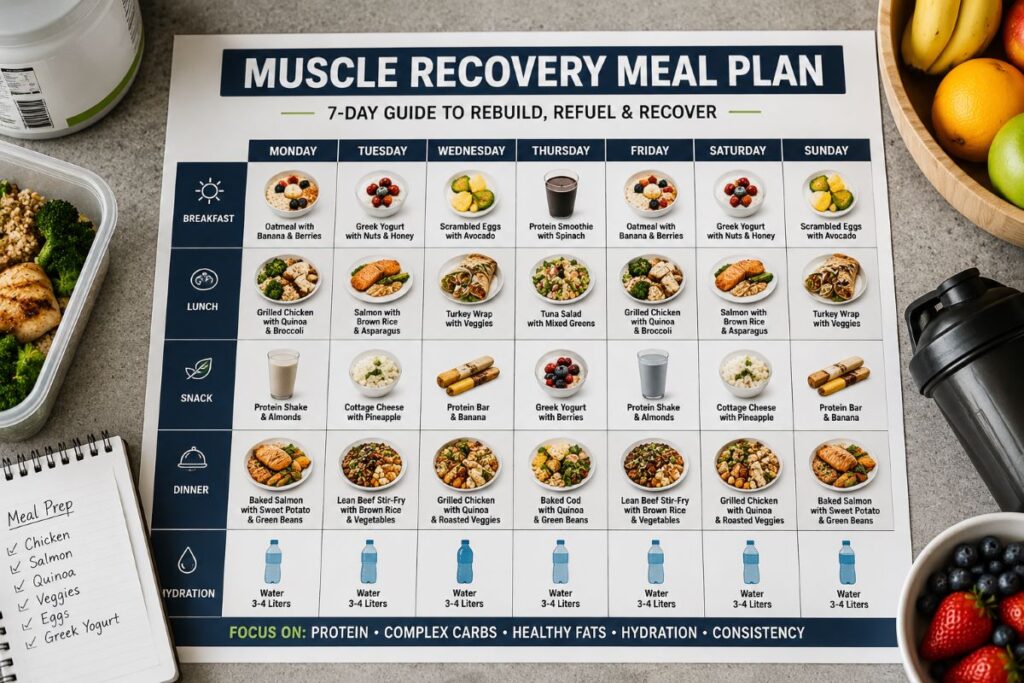
Let’s look at the foods that provide the greatest recovery benefits while remaining affordable, accessible, and beginner-friendly.
Eggs
Why They Work
Eggs contain high-quality complete protein, meaning they provide all essential amino acids required for muscle repair.
Key Nutrients
- Protein
- Vitamin B12
- Choline
- Selenium
Recovery Benefits
- Supports muscle protein synthesis
- Helps repair damaged muscle tissue
- Keeps you feeling full
Best Time to Eat
- Breakfast
- Post-workout meal
- Evening snack
Beginner Serving Suggestion
2 to 4 eggs
Common Mistake
Eating only egg whites and discarding the nutrient-rich yolk.
Recovery Tips
Add eggs to tomorrow’s breakfast for an easy recovery boost.
Greek Yogurt
Why It Works
Greek yogurt combines protein and carbohydrates, making it an excellent post-workout option.
Key Nutrients
- Protein
- Calcium
- Potassium
- Probiotics
Recovery Benefits
- Supports muscle repair
- Helps replenish energy
- Supports digestive health
Best Time to Eat
Immediately after training.
Beginner Serving Suggestion
1 cup Greek yogurt with berries.
Common Mistake
Choosing heavily sweetened varieties loaded with added sugar.
Recovery Tips
Pair Greek yogurt with fruit for a simple recovery snack.
Chicken Breast
Why It Works
Chicken breast is one of the most efficient lean protein sources available.
Key Nutrients
- Protein
- Niacin
- Vitamin B6
- Phosphorus
Recovery Benefits
- Promotes muscle repair
- Supports muscle growth
- Helps preserve lean mass
Best Time to Eat
Lunch or dinner.
Beginner Serving Suggestion
100–150 grams cooked.
Common Mistake
Eating chicken without a carbohydrate source.
Recovery Tips
Combine chicken with rice or sweet potatoes after training.
Salmon
Why It Works
Salmon provides both protein and omega-3 fatty acids.
Key Nutrients
- Protein
- Omega-3s
- Vitamin D
- Selenium
Recovery Benefits
- Supports muscle repair
- Helps manage exercise-related inflammation
- Supports overall health
Best Time to Eat
Dinner.
Beginner Serving Suggestion
120–170 grams cooked.
Common Mistake
Not eating fatty fish regularly enough.
Recovery Tips
Aim for two salmon meals per week.
Bananas
Why They Work
Bananas are convenient, affordable, and rich in carbohydrates and potassium.
Key Nutrients
- Carbohydrates
- Potassium
- Vitamin B6
Recovery Benefits
- Replenishes glycogen
- Supports hydration
- Helps muscle function
Best Time to Eat
Before or after workouts.
Beginner Serving Suggestion
1–2 bananas.
Common Mistake
Using bananas as the only recovery food without protein.
Recovery Tips
Pair a banana with Greek yogurt or milk.
Sweet Potatoes
Why They Work
Sweet potatoes provide high-quality carbohydrates and valuable micronutrients.
Key Nutrients
- Carbohydrates
- Potassium
- Vitamin A
- Fiber
Recovery Benefits
- Replenishes energy stores
- Supports immune function
- Helps sustain energy levels
Best Time to Eat
Lunch or dinner.
Beginner Serving Suggestion
1 medium sweet potato.
Common Mistake
Avoiding carbohydrates unnecessarily.
Recovery Tips
Swap fries for baked sweet potatoes.
Oats
Why They Work
Oats provide slow-digesting carbohydrates that support energy restoration.
Key Nutrients
- Carbohydrates
- Fiber
- Magnesium
- Iron
Recovery Benefits
- Restores glycogen
- Supports steady energy levels
- Helps satiety
Best Time to Eat
Breakfast or post-workout.
Beginner Serving Suggestion
½–1 cup dry oats.
Common Mistake
Loading oats with excessive sugar.
Recovery Tips
Add fruit and protein for a balanced recovery meal.
Cottage Cheese
Why It Works
Cottage cheese contains casein protein, which digests slowly.
Key Nutrients
- Protein
- Calcium
- Phosphorus
Recovery Benefits
- Supports overnight recovery
- Helps maintain muscle protein synthesis
Best Time to Eat
Before bed.
Beginner Serving Suggestion
1 cup.
Common Mistake
Overlooking cottage cheese because it isn’t trendy.
Recovery Tips
Try cottage cheese as a bedtime recovery snack.
Berries
Why They Work
Berries provide powerful antioxidants that help combat exercise-related oxidative stress.
Key Nutrients
- Vitamin C
- Antioxidants
- Fiber
Recovery Benefits
- Supports recovery processes
- Helps manage inflammation
- Supports immune health
Best Time to Eat
Any time of day.
Beginner Serving Suggestion
1 cup.
Common Mistake
Relying on fruit alone without adequate protein intake.
Recovery Tips
Add berries to yogurt, oats, or smoothies.
Nuts and Seeds
Why They Work
Nuts and seeds provide healthy fats, minerals, and plant-based protein.
Key Nutrients
- Magnesium
- Zinc
- Healthy fats
- Protein
Recovery Benefits
- Supports muscle function
- Helps overall recovery
- Promotes satiety
Best Time to Eat
Snacks or meal additions.
Beginner Serving Suggestion
Small handful.
Common Mistake
Overeating due to their high calorie density.
Recovery Tips
Use nuts as a supplement to meals, not a replacement.
Comparison Table: Best Recovery Foods
| Food | Main Benefit | Best Time |
| Eggs | Muscle repair | Breakfast |
| Greek Yogurt | Protein + carbs | Post-workout |
| Chicken Breast | Lean protein | Lunch/Dinner |
| Salmon | Protein + omega-3 | Dinner |
| Bananas | Energy replenishment | Pre/Post workout |
| Sweet Potatoes | Glycogen restoration | Lunch/Dinner |
| Oats | Sustained energy | Breakfast |
| Cottage Cheese | Overnight recovery | Before bed |
| Berries | Antioxidants | Anytime |
| Nuts & Seeds | Minerals and healthy fats | Snacks |
“The best recovery food is the one you’ll consistently eat after training.”
Recovery doesn’t require expensive supplements. Start by consistently eating 3 to 4 foods from this list every day and monitor your energy, soreness, and workout performance over the next two weeks.
Best Post-Workout Meal Combinations for Beginners
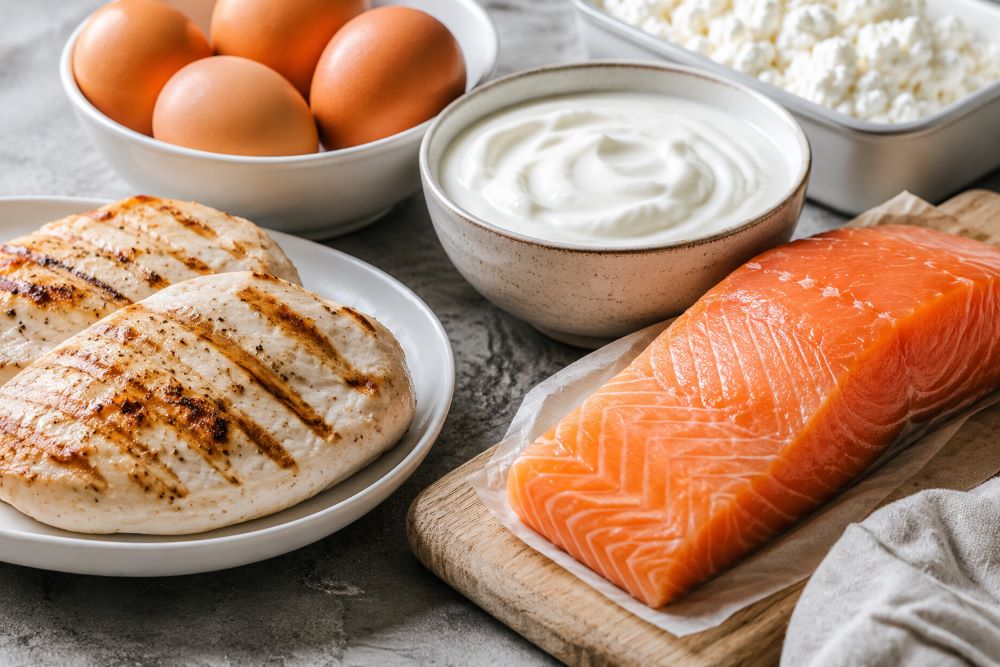
Knowing what foods are beneficial is important.
Knowing how to combine them into practical meals is even more valuable.
The goal of a post-workout meal is simple:
✔ Provide protein for muscle repair
✔ Provide carbohydrates for energy replenishment
✔ Support hydration
✔ Be easy to prepare consistently
Recovery Breakfast Option
Muscle Recovery Oatmeal Bowl
Ingredients:
- 1 cup cooked oats
- 1 banana
- 1 cup Greek yogurt
- Handful of berries
Benefits:
- Protein from Greek yogurt
- Carbohydrates from oats and banana
- Antioxidants from berries
Estimated Protein:
25 to 30g
Recovery Lunch Option
Chicken and Sweet Potato Plate
Ingredients:
- Grilled chicken breast
- Baked sweet potato
- Mixed vegetables
Benefits:
- High-quality protein
- Glycogen restoration
- Vitamins and minerals
Estimated Protein:
30 to 40g
Recovery Dinner Option
Salmon Recovery Dinner
Ingredients:
- Baked salmon
- Brown rice
- Steamed vegetables
Benefits:
- Protein
- Omega-3 fatty acids
- Complex carbohydrates
Estimated Protein:
30 to 35g
Recovery Snack Option
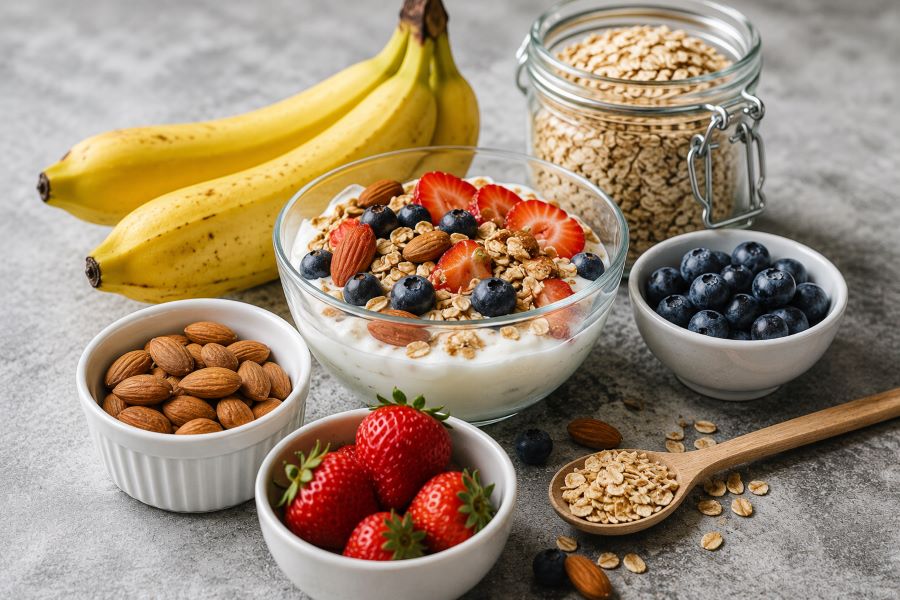
Quick Recovery Snack
Ingredients:
- Greek yogurt
- Banana
- Small handful of almonds
Benefits:
- Easy to prepare
- Portable
- Balanced nutrition
Estimated Protein:
15 to 20g
Recovery Guide
Save these meals for your next workout day. Simplicity and consistency beat complicated meal plans every time.
Foods That Can Slow Recovery
Many beginners focus only on what to eat.
Equally important is knowing what can interfere with recovery.
Excess Alcohol
Alcohol can negatively affect:
- Hydration
- Sleep quality
- Muscle protein synthesis
Even moderate drinking may impair recovery after intense training.
Ultra-Processed Foods
Examples include:
- Packaged snacks
- Highly processed desserts
- Certain convenience foods
These foods often provide calories without delivering the nutrients needed for recovery.
Sugary Drinks
While occasional consumption is fine, relying on sugary beverages can displace more nutritious recovery choices.
Examples:
- Soda
- Energy drinks
- Sweetened beverages
Frequent Fast Food Consumption
Fast food often contains:
- Excess calories
- Large amounts of saturated fat
- Excess sodium
- Limited recovery-supporting nutrients
Occasional consumption isn’t a problem. Making it your primary recovery strategy is.
Common Mistakes
Mistake: Thinking a protein shake can compensate for an otherwise poor diet.
Reality: Recovery is driven primarily by overall nutrition habits, not a single supplement.
Recovery Guide
Limit these foods on training days and prioritize whole, nutrient-dense foods whenever possible.
Hydration and Electrolytes for Faster Recovery
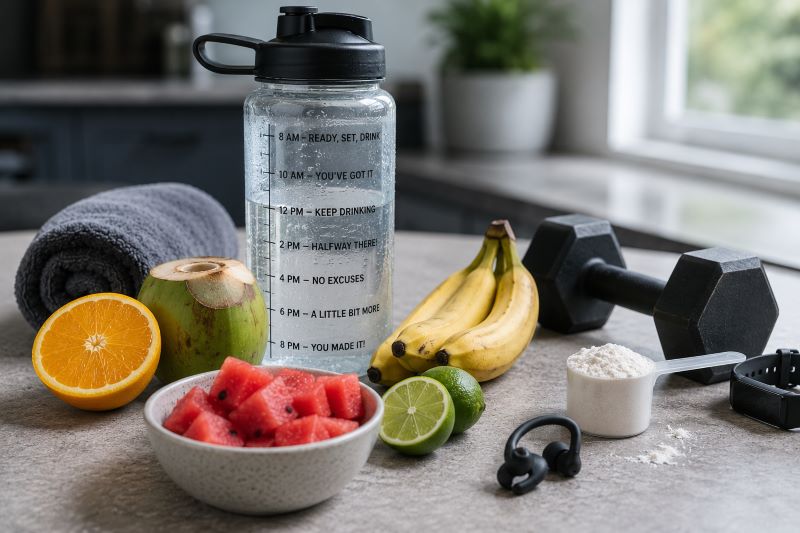
Hydration is one of the most overlooked aspects of recovery. Your muscles are approximately 75% water. When hydration levels drop, recovery processes become less efficient.
How Much Water Do You Need?
General guideline:
- Men: Approximately 3–4 liters daily
- Women: Approximately 2–3 liters daily
Needs increase with:
- Exercise duration
- Heat
- Humidity
- Sweat loss
Why Electrolytes Matter
Electrolytes help regulate:
- Fluid balance
- Muscle contractions
- Nerve function
Important electrolytes include:
Sodium
Found in:
- Table salt
- Soups
- Dairy products
Potassium
Found in:
- Bananas
- Potatoes
- Yogurt
Magnesium
Found in:
- Nuts
- Seeds
- Oats
- Leafy greens
Many beginners assume sports drinks are necessary.
For most recreational exercisers, water plus a balanced diet supplies sufficient hydration and electrolytes.
Hydration Checklist
✓ Drink water throughout the day
✓ Consume fruits and vegetables
✓ Include potassium-rich foods
✓ Monitor urine color
✓ Increase fluids during hot weather
Recovery Guide
Build a hydration routine around your workouts instead of waiting until you feel thirsty.
Sample One-Day Muscle Recovery Meal Plan
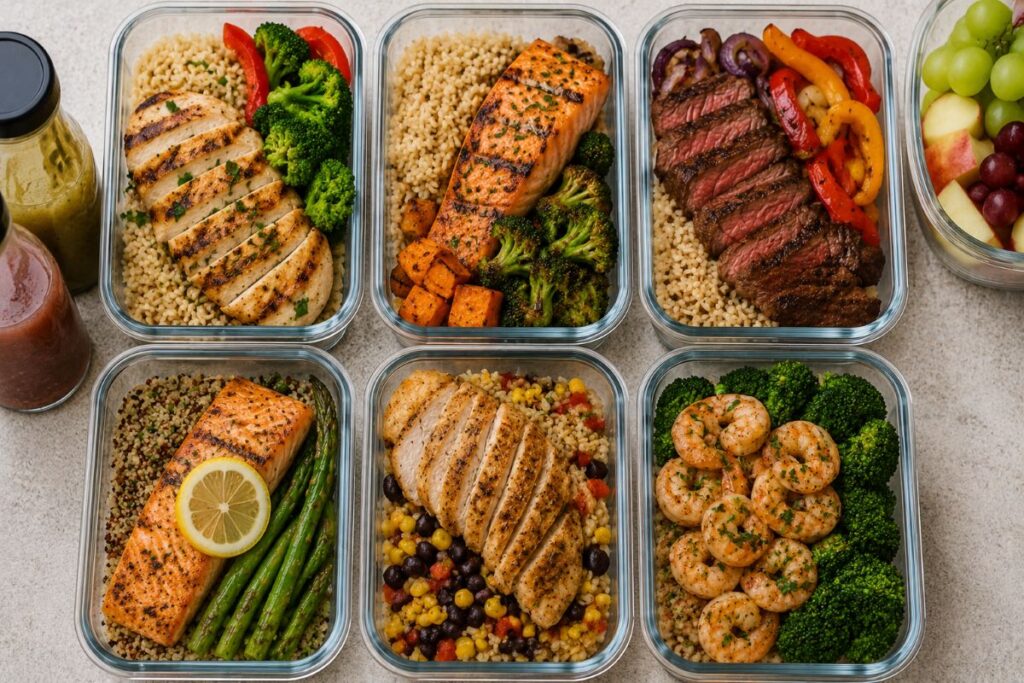
This sample plan demonstrates how recovery nutrition can look in practice.
Breakfast
Greek yogurt bowl
- 1 cup Greek yogurt
- Oats
- Banana
- Mixed berries
Calories: ~450
Protein: ~30g
Morning Snack
Apple with almonds
Calories: ~250
Protein: ~6g
Lunch
Chicken breast
Brown rice
Vegetables
Calories: ~600
Protein: ~40g
Afternoon Snack
Cottage cheese
Mixed berries
Calories: ~250
Protein: ~20g
Dinner
Salmon
Sweet potato
Vegetables
Calories: ~650
Protein: ~35g
Before-Bed Snack
Cottage cheese
Calories: ~150
Protein: ~15g
Daily Total (Approximate)
Calories: 2,350
Protein: 146g
This is only an example.
Individual needs vary based on:
- Body size
- Goals
- Activity level
- Age
- Medical conditions
“You don’t need perfect nutrition. You need nutrition that’s consistently good enough to support recovery.”
Common Recovery Nutrition Mistakes Beginners Make
Even motivated beginners often make avoidable mistakes.
1. Not Eating Enough Protein
Protein is essential for muscle repair. Many beginners consume far less than they realize.
Better Approach
Include a protein source at every meal.
Examples:
- Eggs
- Greek yogurt
- Chicken
- Fish
- Cottage cheese
2. Skipping Meals
Some people finish workouts and delay eating for many hours. While recovery doesn’t require immediate eating, regularly skipping meals may hinder recovery progress.
Better Approach
Plan meals ahead of time. Keep recovery snacks available.
3. Ignoring Hydration
Many recovery complaints are partially related to dehydration.
Symptoms include:
- Fatigue
- Headaches
- Reduced performance
Better Approach
Track water intake daily.
4. Relying Too Much on Supplements
Supplements can be helpful in specific situations. However, they should not replace a nutritious diet.
Whole foods provide:
- Vitamins
- Minerals
- Fiber
- Phytonutrients
that supplements cannot fully replicate.
Myth vs Fact
Myth
Supplements are required for muscle recovery.
Fact
Most beginners can achieve excellent recovery through food, hydration, sleep, and consistent training habits.
Expert Tip
If you’re new to fitness, focus on mastering these fundamentals before considering advanced supplements:
- Protein intake
- Hydration
- Sleep quality
- Balanced meals
- Consistent exercise
These habits deliver the majority of recovery benefits.
Recovery Guide
Fixing just one recovery nutrition mistake can significantly improve your energy, soreness levels, and workout performance.
Frequently Asked Questions
What foods help muscles recover fastest?
Foods that combine protein and carbohydrates generally support recovery most effectively. Examples include eggs, Greek yogurt, chicken breast, salmon, oats, sweet potatoes, and bananas.
How much protein do beginners need?
Most active beginners benefit from approximately 1.2–2.0 grams of protein per kilogram of body weight daily, depending on training intensity and recovery goals.
Can I recover muscles without supplements?
Yes. Most beginners can support muscle recovery through a balanced diet, adequate protein intake, hydration, sleep, and proper rest without relying on supplements.
What should I eat after a workout?
A post-workout meal should include protein and carbohydrates. Examples include Greek yogurt with fruit, eggs and toast, chicken with rice, or a protein smoothie with banana.
How long does muscle recovery take?
Recovery time varies based on workout intensity, fitness level, nutrition, and sleep quality. Most beginners need between 24 and 72 hours for complete muscle recovery.
References
National Institutes of Health (NIH)
International Society of Sports Nutrition (ISSN)
https://www.sportsnutritionsociety.org
Academy of Nutrition and Dietetics
Harvard Nutrition Source
Medical Disclaimer
The information in this article is intended for educational and informational purposes only. It should not be considered medical advice, diagnosis, or treatment.
Always consult a qualified healthcare professional before making significant changes to your diet, exercise routine, or supplementation program.
When to Consult a Healthcare Professional
Seek professional medical advice if you experience:
- Persistent fatigue
- Unexplained weight loss
- Severe muscle pain
- Chronic recovery problems
- Dizziness during exercise
- Suspected nutrient deficiencies
- Existing medical conditions affecting nutrition
A registered dietitian, sports nutritionist, or healthcare provider can help develop an individualized recovery nutrition plan.
Key Takeaways •
✔ Recovery nutrition directly affects muscle repair and performance.
✔ Protein supports muscle rebuilding.
✔ Carbohydrates replenish energy stores.
✔ Hydration plays a critical role in recovery.
✔ Whole foods should form the foundation of your recovery plan.
✔ Consistency matters more than perfection.
✔ Most beginners do not need expensive supplements.
✔ Sleep, nutrition, hydration, and training work together.
Beginner Action Plan
If you’re new to recovery nutrition, start with these simple steps:
Week 1
- Add a protein source to every meal.
- Increase daily water intake.
Week 2
- Add fruit after workouts.
- Include a recovery snack.
Week 3
- Improve meal consistency.
- Reduce highly processed foods.
Week 4
- Track energy levels.
- Track soreness.
- Track workout performance.
Small improvements performed consistently often produce significant long-term results.
Conclusion •
Many people spend countless hours focusing on workouts while neglecting the recovery process that drives progress.
The truth is simple:
Your muscles don’t grow during workouts. They recover and adapt afterward.
By regularly including foods such as eggs, Greek yogurt, chicken breast, salmon, bananas, sweet potatoes, oats, cottage cheese, berries, and nuts, you can provide your body with the nutrients it needs to repair muscle tissue, restore energy, and prepare for future training sessions.
You don’t need complicated nutrition strategies. You need a consistent approach built around quality foods, proper hydration, and healthy recovery habits. Start with one or two changes today, and your future workouts will thank you.
Strong Recovery Tip
Want Faster Recovery and Better Workout Results?
Start implementing one recovery nutrition improvement this week and track how you feel. Small habits create big results over time.
Get My Free Recovery Guide
Continue your recovery journey with:
- Active Recovery vs. Rest Days: What Beginners Should Choose.
- How to Recover Faster After a Workout for Beginners.
- How Long Should Beginners Rest Between Workouts?.
- Why Am I So Sore After My First Workout?

I’m Mr. Baig, founder of Recover Better Lab. I create evidence-based fitness recovery content to help beginners recover smarter and build sustainable healthy habits.
Mission: My mission is to provide trustworthy, research-backed recovery and fitness content that helps people optimize their health, performance, and overall well-being.