
Reading Time: 10–12 minutes
Last Reviewed: July 2026
Quick Answer
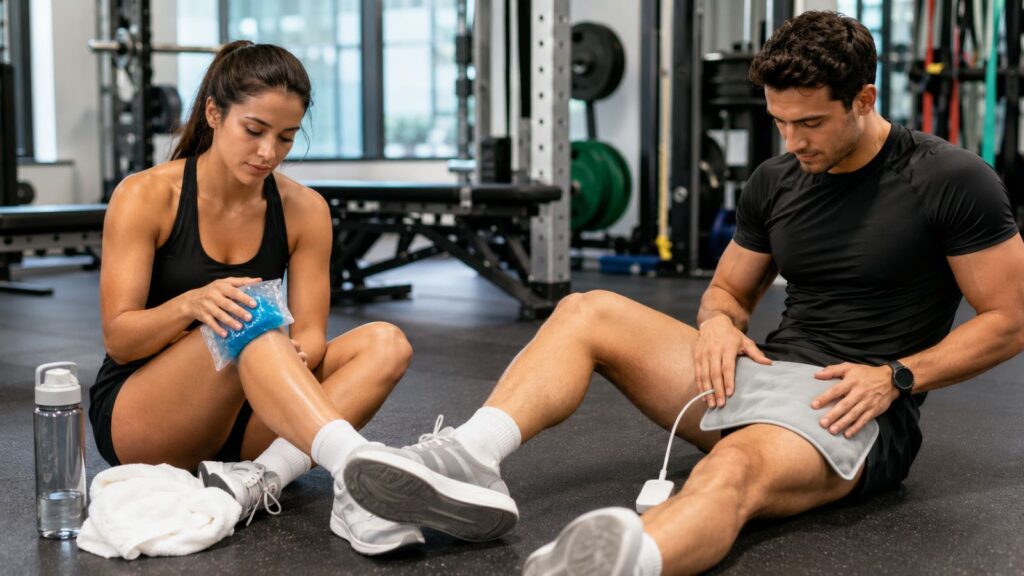
Cold vs. heat for muscle recovery is not a matter of one method being universally better than the other. Cold therapy is generally more useful when pain or swelling is the main concern, particularly after intense exercise or repeated competitions. Heat therapy is often better for easing muscle stiffness, improving comfort, and preparing tight muscles to move. The most effective choice depends on your symptoms, the type of exercise you perform, and your recovery goals.
Key Takeaways
There is no single recovery method that works best for every situation.
Cold therapy may reduce pain and soreness after demanding exercise.
Heat therapy may help relax stiff muscles and improve mobility.
Recovery strategies should match your training goals, not just your symptoms.
Feeling less sore does not always mean your muscles have fully recovered.
Sleep, nutrition, hydration, and appropriate training remain the foundation of muscle recovery.
Introduction
Sometimes the question isn’t “Which is better?”
After a difficult workout, many people reach for either an ice pack or a heating pad without thinking much about why. Others scroll through social media looking for quick answers, only to find completely opposite advice. One expert recommends ice baths after every workout, while another claims heat is the real solution for recovery.
The confusion is understandable.
When people ask about cold vs. heat for muscle recovery, they are usually hoping for one simple answer that works every time. The question is more complicated because muscles do not recover in the same way after every type of exercise. A long-distance runner finishing a marathon, someone recovering from a heavy leg workout, and an athlete preparing for another competition tomorrow may all experience muscle soreness. Yet their recovery needs can be very different. That is where many recovery myths begin.
Instead of asking whether cold or heat is always better, a more useful question is the following:
What is my body trying to recover from right now?
The answer to that question often determines which recovery strategy is likely to be more helpful. In this guide, you’ll learn how cold and heat affect the body, when each method is most appropriate, what current research suggests, and how to make recovery decisions based on your symptoms rather than popular trends.
Table of Contents
What Happens to Your Muscles After Exercise?
Exercise places your muscles under stress. Although that stress may leave you feeling tired or sore, it is also part of the process that helps your body become stronger and more resilient over time. Understanding what happens after exercise makes it much easier to understand why cold and heat do not serve the same purpose.
Normal Muscle Fatigue vs. Muscle Damage
Not every workout causes muscle damage.
Sometimes your muscles simply become fatigued because they have temporarily used much of their available energy. Performance may decline during the workout, but recovery can happen relatively quickly with rest, food, and hydration. More demanding exercise, especially unfamiliar movements or resistance training, can create tiny disruptions within muscle fibers. This process, often called exercise-induced muscle damage, is a normal part of training rather than a sign that something has gone wrong.
As your body repairs these small disruptions, it adapts by making the muscles better prepared for similar challenges in the future. This is one reason why soreness after a new workout often decreases after repeating the same exercises over several weeks.
Delayed Onset Muscle Soreness (DOMS)
One of the most common recovery experiences is delayed onset muscle soreness (DOMS). Unlike the immediate burning sensation you may feel during exercise, DOMS usually develops gradually.
Most people notice:
- Muscle tenderness
- Stiffness
- Reduced range of motion
- Discomfort when walking, lifting, or sitting
- Peak soreness about 24 to 72 hours after exercise
Although DOMS can feel unpleasant, it is usually a temporary response to training rather than a serious injury. However, soreness alone does not tell the whole story. Some people recover quickly despite feeling sore, while others feel little soreness but still need additional recovery before performing at their best again.
That is why relying only on how your muscles feel can sometimes be misleading.
Recovery Insight
Recovery is not about eliminating every sign of stress. Much of the improvement in strength, endurance, and fitness happens because your body successfully adapts to temporary training stress, not because every feeling of soreness disappears. Why Recovery Feels Different After Different Workouts Muscle recovery depends on more than the workout itself. Several factors influence how your body responds, including:
| Factor | How It Can Affect Recovery |
| Exercise intensity | Harder sessions generally require more recovery time. |
| Exercise type | Strength training, sprinting, and endurance exercise stress muscles differently. |
| Training experience | Beginners often experience more soreness after unfamiliar workouts. |
| Sleep quality | Poor sleep slows many recovery processes. |
| Nutrition | Adequate protein and carbohydrates support muscle repair and energy restoration. |
| Hydration | Dehydration may worsen fatigue and reduce exercise performance. |
| Recovery between sessions | Limited recovery time can increase accumulated fatigue. |
Because recovery is influenced by many different factors, no single treatment can solve every problem. Cold therapy and heat therapy are simply tools. Like any tool, their usefulness depends on when and why they are used.
How Cold Therapy Affects Muscle Recovery
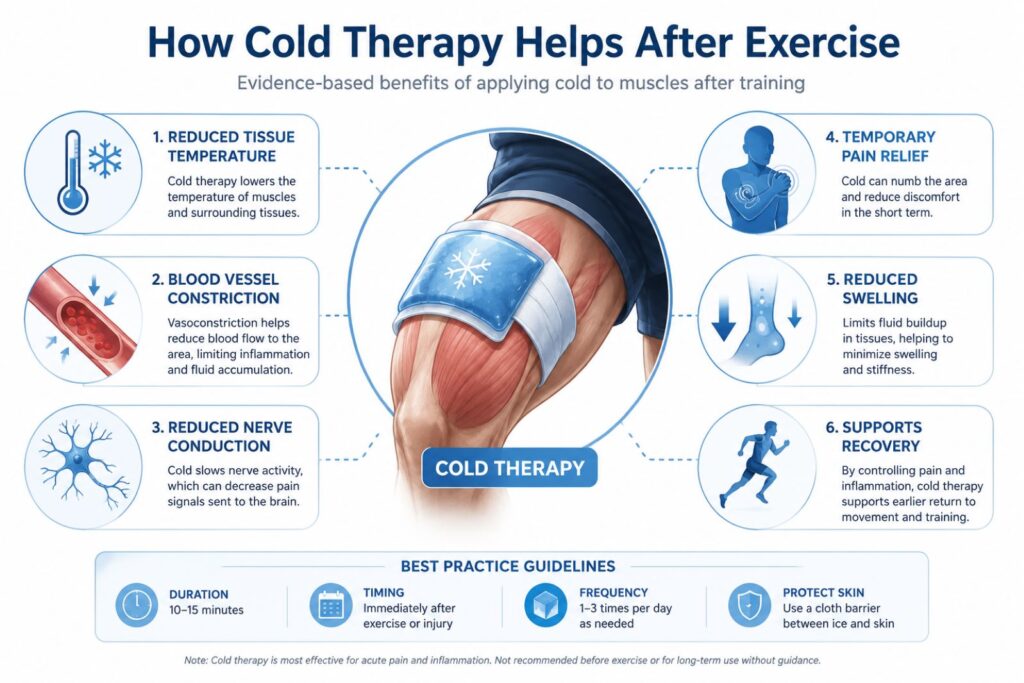
Cold therapy, also called cryotherapy, includes methods such as ice packs, cold-water immersion, ice baths, cooling sleeves, and whole-body cryotherapy. Although these approaches vary in temperature and duration, they aim to produce similar physiological effects by lowering the temperature of the treated tissues.
Many athletes use cold therapy because it often makes them feel better after strenuous exercise. However, understanding why it helps and where its limitations lie is important when deciding whether it fits your recovery goals.
How Cold Therapy Works
Applying cold to the body triggers several temporary responses. It Reduces Tissue Temperature Cold exposure lowers the temperature of the skin and the tissues beneath it. This slows certain metabolic processes for a short period, which may help calm the body’s immediate response to strenuous exercise or minor soft tissue irritation.
It Slows Nerve Conduction
Cold decreases the speed at which nerves transmit pain signals.
This is one reason why an ice pack often makes a sore muscle feel less painful within a relatively short time. The muscle itself has not necessarily healed faster, but the brain receives fewer pain signals from the area.
It Narrows Blood Vessels
Cold causes blood vessels near the surface of the skin to constrict temporarily. This response may help limit swelling after acute injuries or demanding physical activity where inflammation is pronounced. Once the tissue begins to warm again, normal circulation gradually returns.
It Can Reduce the Sensation of Soreness
One of the most consistent findings in recovery research is that cold therapy often reduces perceived muscle soreness. Feeling less sore can make daily activities or the next training session more comfortable, even though the underlying muscle repair process continues its normal timeline.
Potential Benefits of Cold Therapy
Research suggests that cold therapy may be useful in several situations.
Short-Term Pain Relief
If your muscles feel particularly tender after an intense workout, cold therapy may reduce discomfort enough to improve movement and everyday function. This benefit is especially valuable when soreness interferes with walking, climbing stairs, or returning to training.
Reduced Muscle Soreness After Intense Exercise
Cold-water immersion has been shown to reduce delayed onset muscle soreness (DOMS) in many individuals following demanding exercise, particularly after endurance events or high-volume training. The reduction is often modest rather than dramatic, but many athletes report feeling more comfortable during the following one to three days.
Recovery Between Closely Spaced Competitions
Elite athletes sometimes compete several times within a short period. In these situations, maximizing long-term training adaptation is less important than restoring performance quickly. Cold therapy may help reduce soreness and perceived fatigue between games, races, or tournament events where recovery time is limited.
Temporary Reduction in Swelling
When exercise produces localized swelling or when a minor acute soft tissue injury occurs, cold therapy may help control symptoms during the early stages. This is one reason ice is commonly recommended shortly after sprains and similar injuries, although modern injury management emphasizes appropriate movement and progressive rehabilitation rather than prolonged icing alone.
Possible Limitations of Cold Therapy
Cold therapy is often presented as a universal recovery solution. The evidence tells a more nuanced story.
It Does Not Repair Muscle Directly
Ice does not rebuild muscle fibers.
The biological processes responsible for muscle repair depend on your body’s own healing mechanisms, supported primarily by adequate nutrition, sleep, hydration, and time. Cold therapy may reduce symptoms, but symptom relief should not be mistaken for faster tissue repair.
Less Soreness Does Not Always Mean Better Recovery
Feeling better and recovering better are not always the same thing. An athlete may experience less soreness after an ice bath yet still require additional time before muscle function has fully returned. Recovery involves restoring strength, energy stores, neuromuscular performance, and tissue adaptation, not simply reducing discomfort.
Routine Ice Baths May Not Suit Every Strength Athlete
One of the most discussed questions in sports science is whether frequent cold-water immersion affects long-term training adaptations. Current evidence suggests that regular ice baths immediately after resistance training may reduce some of the cellular signals involved in muscle growth and strength development.
The effect appears most relevant when cold-water immersion is used after nearly every lifting session over extended periods. This does not mean occasional ice baths are harmful. Instead, it highlights an important principle:
Recovery strategies should match your primary goal.
If your priority is preparing for another competition tomorrow, reducing soreness may be worthwhile. If your priority is maximizing muscle growth over several months, routinely cooling muscles after every strength workout may be less beneficial.
Evidence Strength
Rating: Moderate to Strong
Current research consistently suggests that cold therapy can reduce perceived muscle soreness and improve short-term comfort after demanding exercise. However, evidence regarding long-term effects on strength and muscle growth is more mixed, with outcomes depending on the timing, frequency, exercise type, and individual training goals.
How Heat Therapy Affects Muscle Recovery
Unlike cold therapy, which primarily aims to reduce pain and swelling, heat therapy focuses on improving comfort, relaxation, and movement. Many people instinctively reach for a heating pad when muscles feel stiff rather than swollen. In many situations, that instinct aligns with what researchers understand about how heat influences the body.
However, heat is not a treatment that repairs damaged muscles, nor is it appropriate at every stage of recovery. Understanding what heat does can help you decide when it is likely to be useful and when another recovery strategy may be the better choice.
How Heat Therapy Works
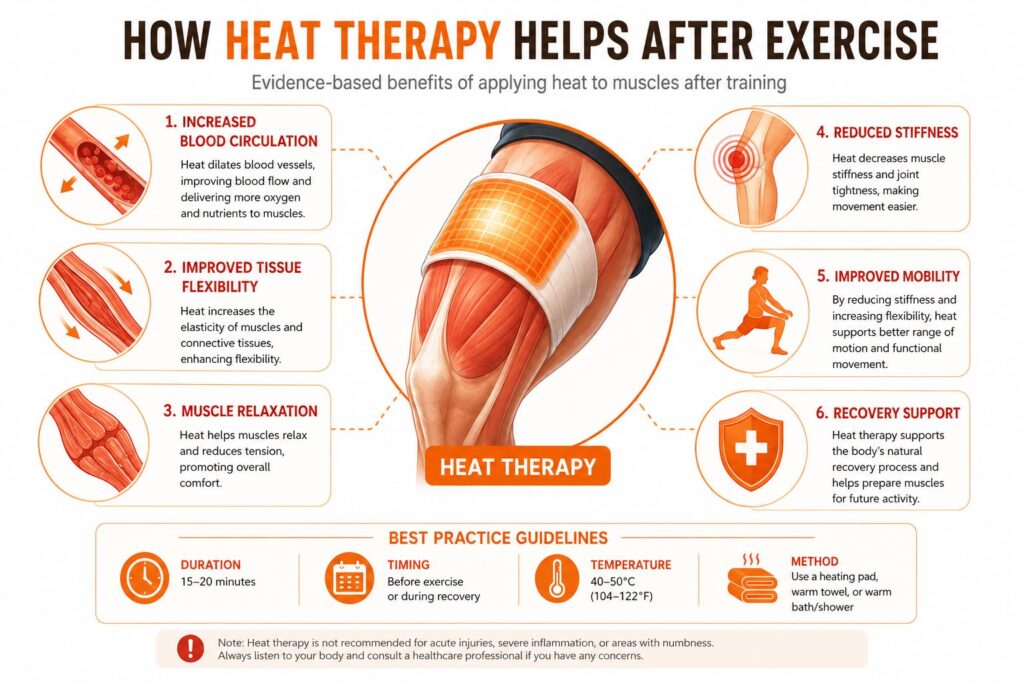
Heat therapy, also known as thermotherapy, can be applied using heating pads, warm baths, hot packs, heat wraps, or other controlled warming methods. Its effects differ substantially from those of cold therapy.
It increases blood flow.
When tissues warm, blood vessels gradually widen. This increased circulation delivers oxygen and nutrients to the surrounding tissues while supporting the normal recovery processes already taking place. Although better blood flow is beneficial, it should not be interpreted as proof that heat directly speeds muscle repair.
It Helps Muscles Relax
Warmth often decreases the feeling of muscle tension. Many people notice that tight muscles become easier to stretch or move after several minutes of gentle heat exposure. This is particularly helpful when stiffness, not swelling, limits comfortable movement.
It improves tissue flexibility.
Heat can temporarily increase the flexibility of muscles and other soft tissues. Because of this effect, heat is commonly used before light exercise, mobility work, or stretching sessions rather than immediately after an acute injury.
It Can Reduce the Feeling of Stiffness
For people whose muscles feel tight after long periods of sitting, repetitive work, or previous exercise, heat often improves comfort even if it does not change the underlying healing process. This difference between symptom relief and tissue repair is important to remember throughout recovery.
Potential Benefits of Heat Therapy
Although heat therapy is often associated with comfort, it can also support recovery in several practical ways when used appropriately.
Improved Comfort During Recovery
One of the most noticeable effects of heat is that muscles often feel less tense after warming. This may make everyday activities such as climbing stairs, walking, or getting out of a chair feel easier during the recovery period. For many people, this improved comfort encourages gentle movement, which is generally more beneficial than remaining completely inactive after exercise.
Better Mobility
Muscles and connective tissues tend to become more flexible when warmed. If stiffness limits your range of motion, applying heat before light activity or mobility exercises may help you move more comfortably. This is one reason athletes sometimes use heat before warm-ups rather than after training.
Relief for Chronic Muscle Tightness
Not all muscle discomfort is caused by a recent workout. People who spend long hours sitting, perform repetitive work, or train frequently may develop ongoing muscle tightness without significant inflammation. In these situations, heat therapy often provides greater relief than cold because stiffness, not swelling, is the primary problem.
Preparing the Body for Movement
Heat is generally better suited for muscles that need to move than muscles that need to calm down. Applying gentle warmth before mobility work, stretching, or light exercise may improve comfort and help muscles feel more prepared for activity.
That does not mean heat prevents injury, but it can make movement feel easier when muscles are unusually tight.
Possible Limitations of Heat Therapy
Like cold therapy, heat has benefits, but it also has clear limitations. It Does Not Repair Muscle Damage
A common misconception is that increased blood flow automatically means faster healing. While circulation is important for recovery, applying heat does not directly rebuild damaged muscle fibers or accelerate the biological processes responsible for adaptation.
Your muscles still rely on adequate nutrition, hydration, sleep, and recovery time to repair themselves. It is not ideal immediately after acute injuries if an area is significantly swollen, inflamed, or acutely injured; adding heat immediately may increase discomfort in some cases.
When swelling is the main concern, cold therapy is generally considered the more appropriate option during the early stages. As recovery progresses and swelling subsides, heat may become more useful for restoring comfort and mobility.
Feeling Better Does Not Mean You’re Ready to Train Hard. Heat can reduce the sensation of tightness without restoring full muscle function.
This matters because athletes sometimes mistake temporary comfort for complete recovery. If strength, coordination, or endurance have not fully returned, pushing through another intense workout simply because the muscles feel loose may increase the risk of excessive fatigue.
Recovery Insight
Heat often helps muscles feel better, but comfort and tissue recovery are not always the same thing. A reduction in stiffness can make movement easier without meaning that the muscles have completely recovered from training.
Cold vs Heat for Muscle Recovery: Side-by-Side Comparison
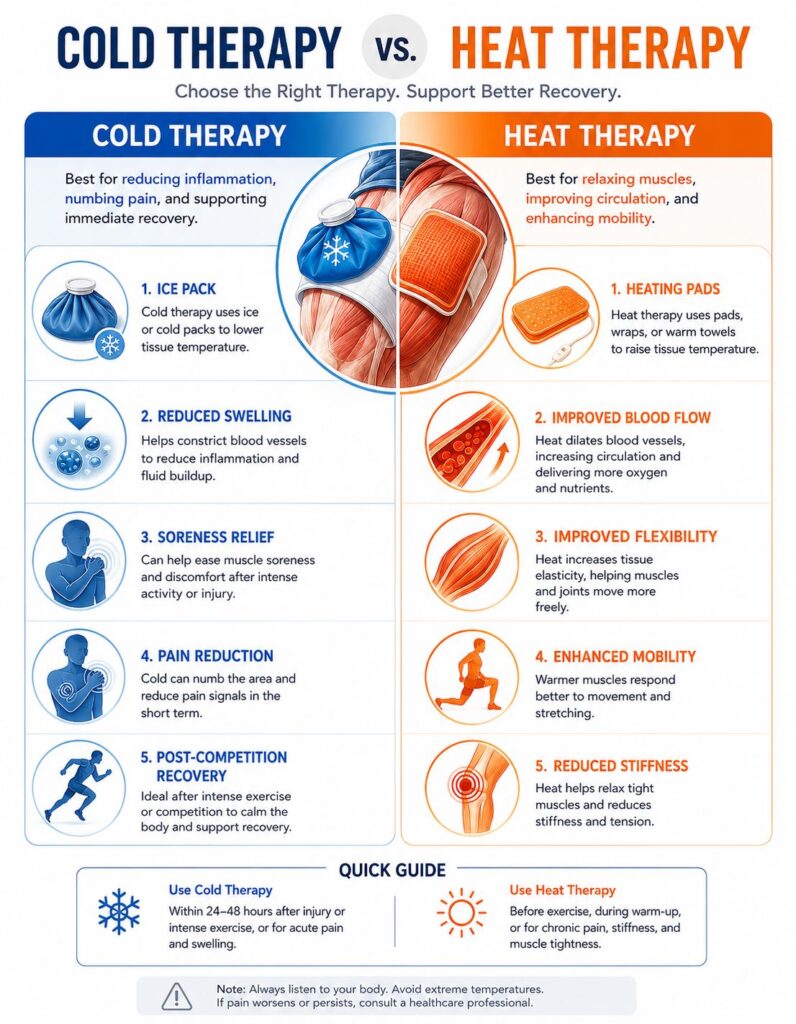
Neither cold nor heat is inherently superior. Instead, each addresses different recovery needs.
| Recovery Goal | Cold Therapy | Heat Therapy |
| Reduce acute soreness | ✓ Often helpful | Sometimes |
| Reduce swelling | ✓ Best choice | ✗ Generally not recommended initially |
| Relieve muscle stiffness | Sometimes | ✓ Often helpful |
| Temporary pain relief | ✓ | ✓ |
| Improve mobility | Limited | ✓ Better suited |
| Recovery between competitions | ✓ Frequently used | Sometimes |
| Daily comfort | Sometimes | ✓ Often useful |
| Long-term strength adaptation | Routine use may reduce some adaptations after resistance training | Less evidence of concern |
The comparison highlights an important principle:
Recovery is not about choosing a “winner.” It is about matching the recovery method to the problem you are trying to solve.
When Should You Choose Cold Therapy?
Cold therapy tends to be most appropriate when pain, swelling, or repeated performance demands are the primary concerns.
Examples include:
After a particularly demanding competition.
Following repeated events during a tournament.
When noticeable swelling develops after exercise.
For short-term pain management after strenuous activity.
During recovery between races, matches, or games with limited rest.
For endurance athletes competing on consecutive days, reducing soreness enough to maintain performance may outweigh concerns about maximizing long-term adaptation. Similarly, athletes involved in tournaments often prioritize being ready for the next event rather than stimulating additional muscle growth.
However, this does not mean every workout should be followed by an ice bath. If your training plan is focused on building strength or muscle over months, routine cold-water immersion immediately after every resistance session may not provide the greatest long-term benefit.
When Should You Choose Heat Therapy?
Heat therapy is generally more appropriate when stiffness and reduced mobility are the main problems.
It may be useful when:
- Muscles feel tight but are not swollen.
- You experience ongoing muscle stiffness after previous workouts.
- You are preparing for light movement or mobility exercises.
- You plan to perform gentle stretching.
- Sitting for long periods has left your muscles feeling rigid.
Heating is especially valuable for improving comfort before movement. Rather than replacing a proper warm-up, it can complement one by helping tight muscles become easier to move. If significant swelling or a fresh injury is present, however, heat is usually not the preferred first choice.
Decision Framework — Should You Use Cold or Heat?
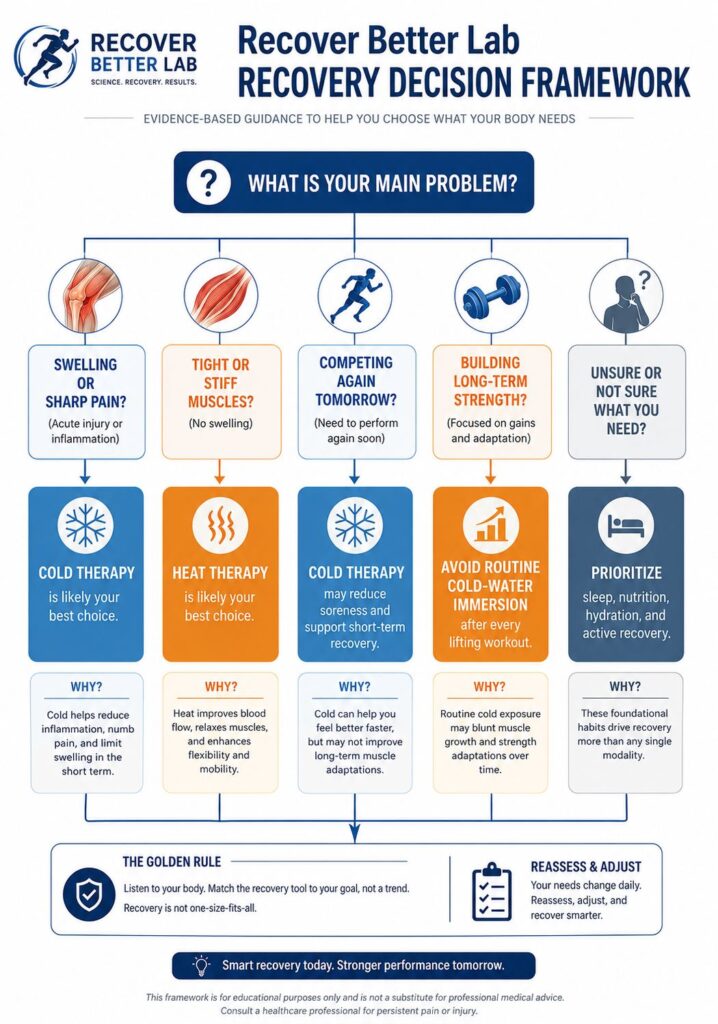
Many recovery decisions become easier when you focus on your main symptoms rather than searching for one treatment that supposedly works for everything.
Start by asking yourself: What is bothering me most right now?
If you have:
Noticeable swelling or sharp pain
→ Cold therapy is generally the better option.
Tight, stiff muscles without swelling
→ Heat therapy is often more helpful.
Another competition within the next day
→ Cold therapy may reduce soreness and improve short-term readiness.
A long-term goal of building strength and muscle
→ Avoid making cold-water immersion an automatic habit after every resistance workout.
No clear reason to use either
→ Focus first on the recovery habits that consistently have the greatest impact:
- Quality sleep
- Balanced nutrition
- Adequate hydration
- Appropriate training progression
- Active recovery when appropriate
These habits influence recovery far more consistently than choosing between an ice pack and a heating pad.
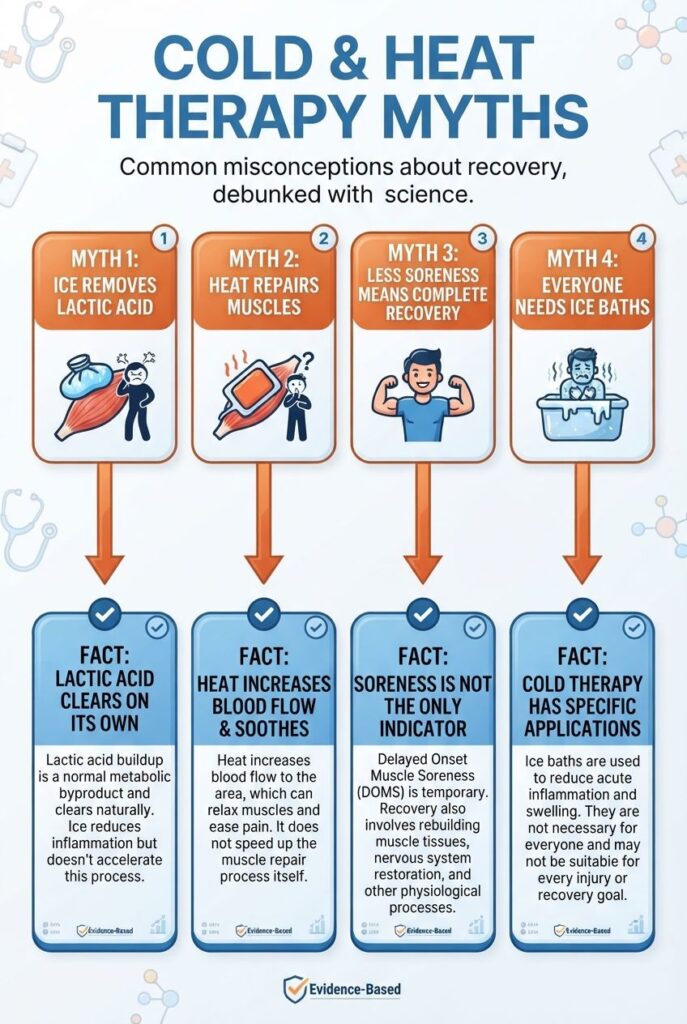
Common Misconceptions About Cold and Heat Therapy
Recovery advice is often reduced to simple rules: always ice sore muscles, or heat is better because it increases blood flow. These statements sound convincing, but they ignore how recovery works.
Understanding a few common misconceptions can help you make better decisions after training.
Ice Removes Lactic Acid
This is one of the oldest recovery myths, but it is not supported by current evidence.
Lactic acid (more accurately, lactate) is produced during intense exercise and is cleared from the bloodstream relatively quickly, usually within about an hour after exercise ends. It is not responsible for the muscle soreness you feel one or two days later.
Delayed onset muscle soreness (DOMS) is related to the body’s response to exercise-induced muscle stress and repair, not leftover lactic acid. If cold therapy makes your muscles feel better, it is because it influences pain perception and inflammation, not because it “flushes out” lactic acid.
Heat Repairs Muscle Damage
Heat often feels soothing, which makes it easy to assume it speeds healing. Heat primarily improves comfort by relaxing muscles, increasing tissue flexibility, and improving circulation. These effects can make movement feel easier, but they do not directly repair damaged muscle fibers.
Your body repairs muscle tissue through complex biological processes that depend on factors such as adequate protein intake, sufficient energy, hydration, sleep, and time. Heat supports comfort during recovery; it does not replace the recovery process itself.
Less Soreness Means Better Recovery
One of the biggest mistakes athletes make is confusing symptom relief with physiological recovery. A muscle may feel less sore after an ice bath or warm bath, but that does not necessarily mean it has regained its normal strength, endurance, coordination, or ability to perform another demanding workout.
Recovery is about restoring function, not simply reducing discomfort. This distinction is especially important if you train frequently. Returning to intense exercise before your body has adequately recovered may increase fatigue and reduce training quality over time.
Everyone Should Take Ice Baths
Ice baths have become increasingly popular, particularly on social media. However, popularity should not be mistaken for necessity. Elite athletes sometimes use cold-water immersion because they must recover quickly between competitions. Their priorities differ from someone training three or four times a week to improve long-term fitness or build muscle.
If your primary goal is long-term strength or muscle growth, routinely taking an ice bath after every resistance workout may not provide additional benefits and could reduce some of the adaptations your training is designed to produce. The best recovery strategy is the one that matches your goals, not someone else’s routine.
Recovery Reminder
Cold packs, heating pads, warm baths, and ice baths can support comfort and short-term recovery, but they cannot replace the habits that consistently have the greatest impact on muscle recovery:
- Prioritize quality sleep.
- Eat enough protein and carbohydrates to support recovery.
- Stay well hydrated.
- Progress your training gradually.
- Allow sufficient recovery between demanding sessions.
These fundamentals remain the strongest evidence-based recovery strategies available.
Conclusion
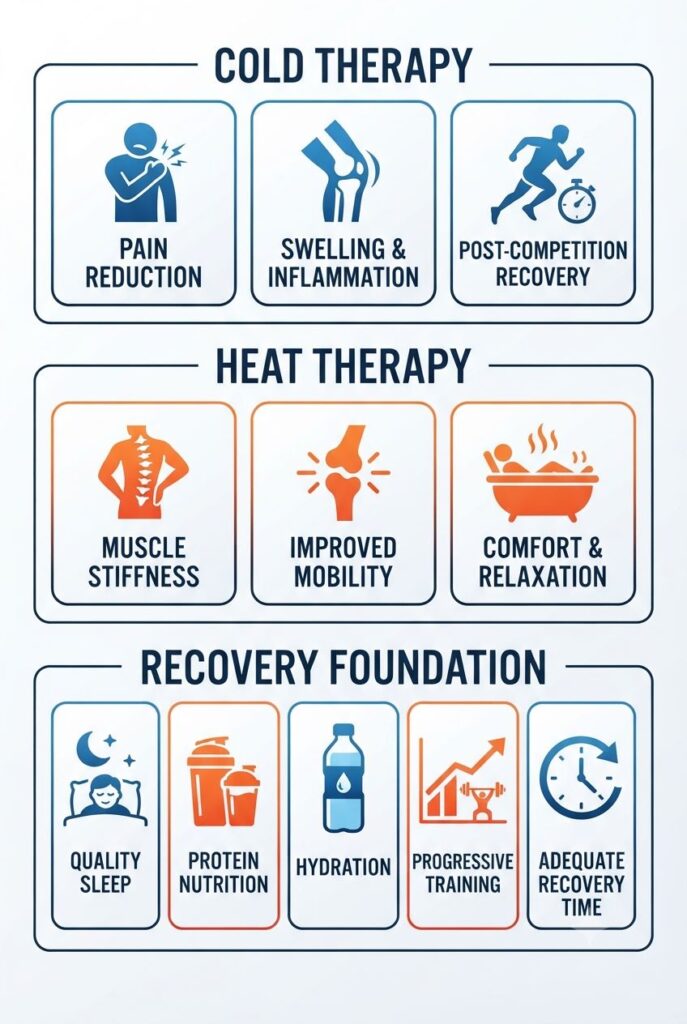
When comparing cold vs. heat for muscle recovery, the evidence does not support declaring one method the universal winner. Cold therapy and heat therapy influence the body in different ways, which means each has situations where it is more appropriate.
Cold therapy may help reduce soreness, pain, and swelling, making it particularly useful after demanding exercise or when athletes need to recover quickly before another competition. Heat therapy is often better suited to easing muscle stiffness, improving mobility, and increasing comfort during recovery.
The most effective recovery decisions begin with understanding what your body needs rather than automatically reaching for an ice pack or heating pad.
Ask yourself:
- Am I dealing with swelling or stiffness?
- Do I need to compete again soon?
- Am I trying to maximize long-term strength and muscle growth?
- Or do I simply need to move more comfortably today?
Answering those questions will usually guide you toward the most appropriate recovery strategy. Remember that recovery tools can support your progress, but they cannot replace the fundamentals. Consistent sleep, balanced nutrition, proper hydration, sensible training, and adequate recovery time remain the most reliable ways to help your body adapt, recover, and perform at its best.
Frequently Asked Questions
Is cold or heat better for sore muscles?
Neither is universally better. Cold therapy is generally more helpful when soreness is accompanied by pain or swelling, while heat therapy is often better for relieving muscle stiffness and improving comfort.
Should I use ice immediately after a workout?
Not necessarily. Ice may be useful after particularly intense exercise, acute pain, or swelling, especially when rapid recovery is needed.
Can heat help delay onset muscle soreness (DOMS)?
Heat may reduce the feeling of stiffness and improve comfort during DOMS, but it does not directly repair muscle damage or eliminate soreness.
Do ice baths slow muscle growth?
Some research suggests that frequent cold-water immersion immediately after resistance training may reduce certain adaptations involved in muscle growth. Occasional use is unlikely to have a meaningful effect for most people.
Is heat good after strength training?
Heating can be helpful if your muscles feel stiff or tight after training. However, if swelling or an acute injury is present, cold therapy is generally the more appropriate option initially.
When should I avoid heat therapy?
Heat is usually not recommended immediately after an acute injury that involves significant swelling or inflammation. If pain is severe or symptoms persist, seek medical advice.
Can I alternate between heat and cold?
Yes. Some people use alternating hot and cold treatments, known as contrast therapy, to manage soreness and comfort. Current evidence suggests it may help some individuals feel better, but it has not consistently been shown to be superior to using cold or heat alone for every recovery situation.
Is contrast therapy more effective than using one method alone?
Research remains mixed. Some studies report modest improvements in perceived soreness, while others find little difference. Contrast therapy may be worth considering based on personal preference, but the fundamentals of recovery remain more important.
Recover Better Lab Summary
Cold packs and heating pads can support recovery, but they work best when combined with the fundamentals of recovery. Prioritizing quality sleep, appropriate nutrition, hydration, and sensible training progression has a greater influence on long-term performance than any single recovery method. If you’d like to understand these foundations in more detail, explore our related Recover Better Lab guides on sleep recovery, post-workout nutrition, and training balance.
Key Points
✓ Cold and heat therapy serve different purposes; they are not interchangeable.
✓ Cold therapy is generally more appropriate for reducing pain, soreness, and swelling after demanding exercise or when recovering between closely spaced competitions.
✓ Heat therapy is often more helpful for relieving muscle stiffness, improving mobility, and making movement more comfortable.
✓ Feeling better does not necessarily mean your muscles have fully recovered.
✓ Recovery decisions should be based on your symptoms, training goals, and exercise context, not on myths or one-size-fits-all advice.
✓ Sleep, nutrition, hydration, and an appropriate training plan remain the foundation of effective muscle recovery.
Medical Disclaimer
This article is intended for educational purposes only and should not be used as a substitute for professional medical advice, diagnosis, or treatment. Persistent pain, significant swelling, loss of function, severe weakness, or suspected muscle, tendon, ligament, or bone injuries should be evaluated by a qualified healthcare professional.
Clinical Takeaway
Current evidence does not support using either cold or heat therapy as a universal recovery solution. Cold therapy is generally more appropriate for managing pain, swelling, and short-term recovery demands, while heat therapy is often more helpful for stiffness and mobility. Recovery decisions should be guided by symptoms, training goals, and context rather than routine or trends.
Evidence & Scientific References
Evidence Tier 1 — Systematic Reviews & Meta-Analyses
1. Dupuy O, Douzi W, Theurot D, Bosquet L, Dugué B. (2018)
An Evidence-Based Approach for Choosing Post-exercise Recovery Techniques to Reduce Markers of Muscle Damage, Soreness, Fatigue, and Inflammation: A Systematic Review with Meta-Analysis
- DOI: 10.3389/fphys.2018.00403
- PubMed Central (Free Full Text): PMC Full Text
2. Hohenauer E, Taeymans J, Baeyens JP, Clarys P, Clijsen R. (2015)
The Effect of Post-Exercise Cryotherapy on Recovery Characteristics: A Systematic Review and Meta-analysis
- DOI: 10.1371/journal.pone.0139028
- PLOS ONE (Official): Official Article
3. Machado AF, Ferreira PH, Micheletti JK, et al. (2016)
Can Water Immersion Improve Recovery from Exercise? A Systematic Review and Meta-analysis
- DOI: 10.1007/s40279-015-0439-9
- Springer (Official): Official Article
Evidence Tier 2 Landmark Clinical Studies
These studies shaped much of today’s discussion on cold-water immersion and training adaptation.
4. Roberts LA, Raastad T, Markworth JF, et al. (2015)
Post-exercise Cold Water Immersion Attenuates Acute Anabolic Signaling and Long-Term Adaptations in Muscle to Strength Training
- DOI: 10.1113/JP270570
- Official Wiley Article: Journal of Physiology Article
5. Peake JM, Roberts LA, Figueiredo VC, et al. (2017)
The Effects of Cold-Water Immersion and Active Recovery on Inflammation and Cell Stress Responses in Human Skeletal Muscle After Resistance Exercise
- DOI: 10.1113/JP272881
- Official Wiley Article: Journal of Physiology Article
6. Cheng AJ, Willis SJ, Zinner C, et al. (2017)
Post-exercise Recovery of Contractile Function and Endurance in Humans and Mice Is Accelerated by Heating and Slowed by Cooling Skeletal Muscle
- DOI: 10.1113/JP274870
- Official Wiley Article: Journal of Physiology Article
Evidence Tier 3 — Professional Organizations & Guidance
7. American College of Sports Medicine
ACSM consistently emphasizes that sleep, nutrition, hydration, and appropriate training progression are the foundations of recovery, with recovery modalities serving as supportive, not primary strategies.
Official website:
American College of Sports Medicine
8. National Strength and Conditioning Association
Provides evidence-informed guidance for coaches and athletes on resistance training, recovery, and performance.
Official website:
National Strength and Conditioning Association
9. International Olympic Committee
Why it matters: Publishes consensus statements on athlete health, recovery, injury prevention, and sports performance.
Official website:
International Olympic Committee

I’m Mr. Baig, founder of Recover Better Lab. I create evidence-based fitness recovery content to help beginners recover smarter and build sustainable healthy habits.
Mission: My mission is to provide trustworthy, research-backed recovery and fitness content that helps people optimize their health, performance, and overall well-being.