
Quick Answer
Yes, deep sleep muscle recovery is supported by scientific evidence. During deep sleep, your body performs many biological processes that help muscles recover after exercise, including tissue repair, muscle protein synthesis, growth hormone release, immune regulation, and nervous system restoration. While deep sleep is essential, effective recovery also depends on getting enough total sleep, eating a balanced diet, staying hydrated, and managing your training load.
What Is Deep Sleep Muscle Recovery?
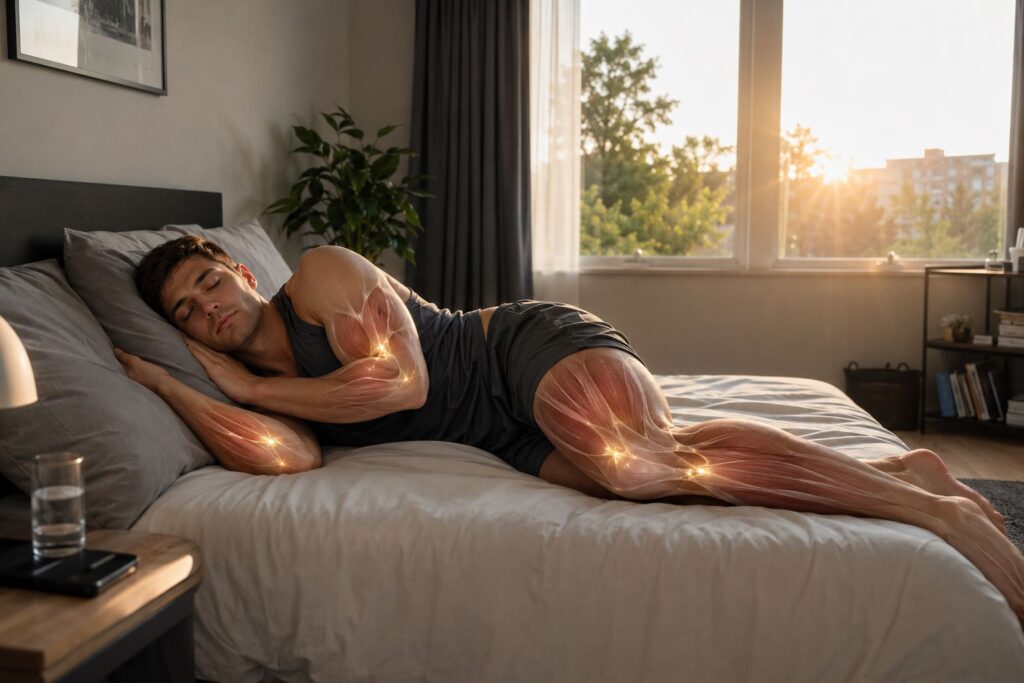
Deep sleep muscle recovery refers to the body’s natural repair processes that occur primarily during deep (slow wave) sleep. During this stage, tissue repair, muscle protein synthesis, hormone regulation, immune function, and nervous system recovery work together to help the body recover from exercise.
Introduction
After a challenging workout, many people focus on protein shakes, stretching, or recovery tools while overlooking one of the most powerful recovery strategies available every night. Deep sleep and muscle recovery are more than a popular fitness topic; they are fundamental biological processes that allow your body to repair the physical stress created by exercise.
Whether you’re lifting weights, running long distances, or simply trying to stay active, exercise creates microscopic damage within muscle fibers. This damage is a normal part of training and is one of the reasons muscles become stronger over time. However, these adaptations don’t occur during your workout; they happen afterward, when your body has an opportunity to recover.
Among all stages of sleep, deep sleep, also known as slow-wave sleep (SWS), plays a particularly important role in physical restoration. During this stage, your body releases hormones that support tissue repair, regulates inflammation, restores energy stores, and helps prepare your muscles for future activity. At the same time, your immune and nervous systems work to recover from the demands of exercise.
That doesn’t mean deep sleep works in isolation. Muscle recovery depends on several interconnected factors, including adequate nutrition, hydration, appropriate training intensity, and consistent sleep habits. Think of deep sleep as one of the foundations that allows these other recovery processes to work effectively, not as a shortcut or replacement for them.
In this article, you’ll learn what deep sleep is, how it contributes to muscle recovery, whether it’s more important than other stages of sleep, what happens when you don’t get enough of it, and practical ways to improve your sleep quality based on current scientific evidence. By the end, you’ll have a clearer understanding of where deep sleep fits into the bigger picture of recovery and how small improvements in your sleep habits can support better long-term performance and health. Centers for Disease Control and Prevention — Healthy sleep guidance: https://www.cdc.gov/sleep/
Table of Contents
What Is Deep Sleep Muscle Recovery?
To understand deep sleep muscle recovery, it’s helpful to first understand what deep sleep is. Muscle recovery doesn’t occur in a single moment or because of one hormone. Instead, it results from a series of biological processes that take place while your body rests, with deep sleep providing the ideal environment for many of them.
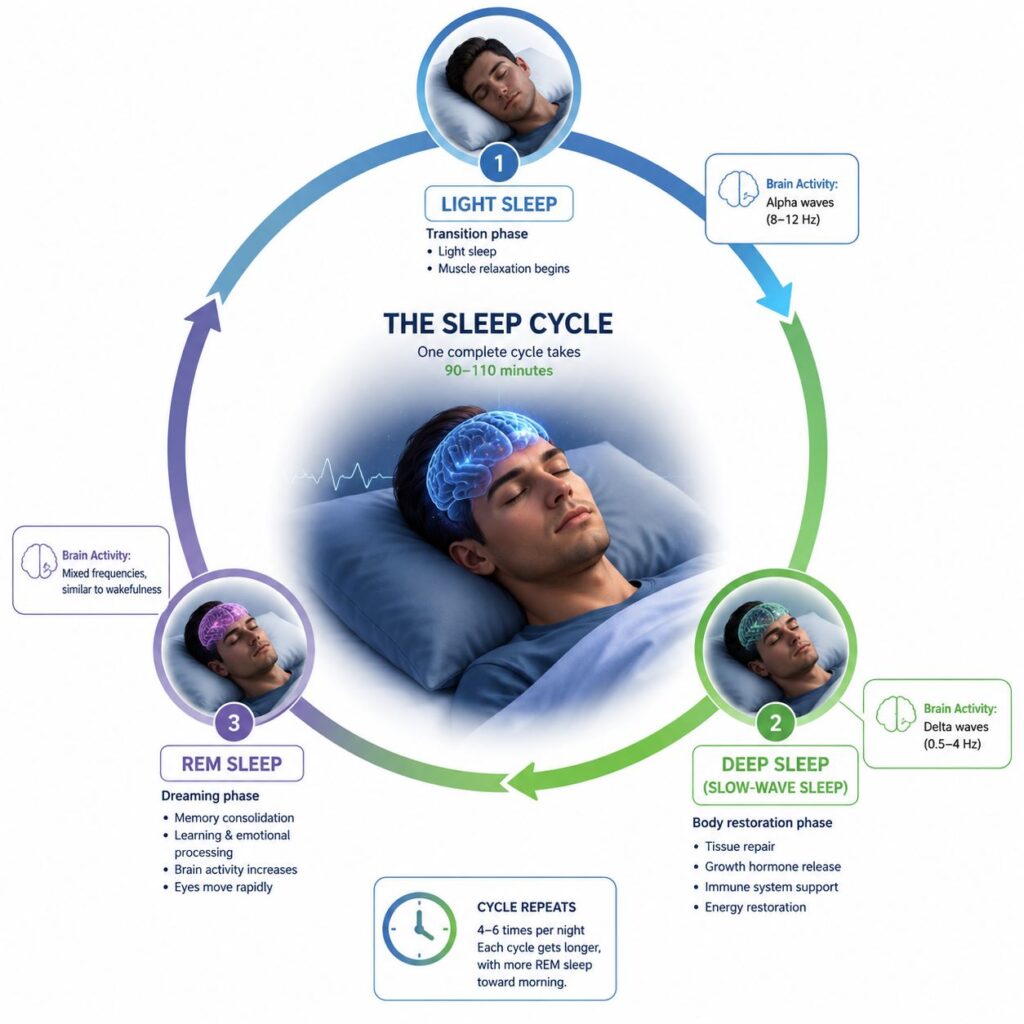
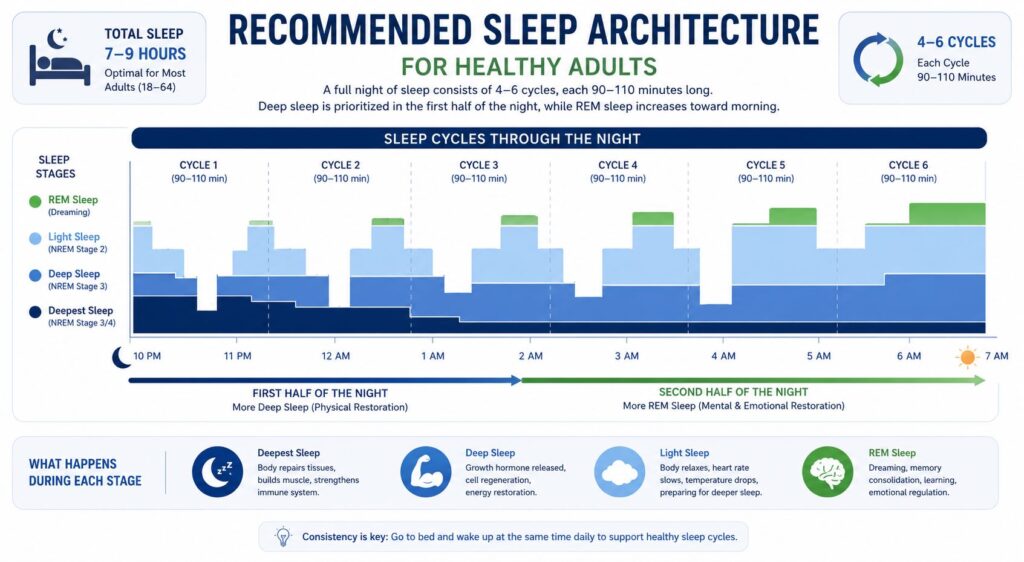
Sleep occurs in repeating cycles throughout the night, moving between light sleep, deep sleep, and rapid eye movement (REM) sleep. Each stage has a unique purpose, but deep sleep is most closely associated with physical restoration after exercise.
Understanding the Stages of Sleep
During a typical night, your brain cycles through different sleep stages every 90 to 120 minutes. Rather than remaining in one stage, your body moves through these phases repeatedly, allowing different recovery processes to occur. Research by the American Academy of Sleep Medicine—Clinical guidance on healthy sleep and sleep stages: https://aasm.org/
| Sleep Stage | What Happens | Contribution to Muscle Recovery |
| Light Sleep (N1 & N2) | Heart rate, breathing, and body temperature begin to slow as the body transitions into sleep. | Prepares the body for deeper restorative sleep but contributes relatively little to muscle repair. |
| Deep Sleep (N3 or Slow-Wave Sleep) | Brain waves slow significantly, muscles relax, heart rate and blood pressure decrease, and the body enters its most restorative stage. | Supports tissue repair, muscle protein synthesis, hormone regulation, immune function, and recovery from physical stress. |
| REM Sleep | Brain activity increases, dreaming becomes more frequent, and the nervous system processes learning and memory. | Supports cognitive recovery, motor skill learning, reaction time, and mental performance rather than direct muscle repair. |
Although every stage of sleep is important, deep sleep is often considered the body’s primary period for physical recovery. During this stage, energy is directed away from wakeful activities and toward repairing tissues, regulating hormones, and restoring the body’s physiological balance after exercise.
It’s also important to understand that deep sleep is not something you can simply choose to increase. Your body naturally regulates how much deep sleep you experience based on factors such as age, overall health, recent physical activity, stress levels, and total sleep duration. Instead of trying to maximize deep sleep alone, the goal should be to create healthy sleep habits that allow your body to progress naturally through all sleep stages.
Recovery Insight
Deep sleep doesn’t “heal muscles” by itself. Instead, it provides conditions that allow multiple recovery systems, including muscle repair, hormone regulation, immune function, and nervous system restoration, to work together efficiently. This is why consistent, high-quality sleep is considered one of the foundations of effective recovery.
Now that we’ve explored what deep sleep is, the next question is how this stage of sleep helps your muscles recover after exercise.
Now that we’ve explored what deep sleep is, the next question is how this stage of sleep actually helps your muscles recover after exercise.
How Deep Sleep Supports Muscle Recovery
Deep sleep is the stage of sleep most closely associated with physical restoration. During this period, your body shifts its priority from daily activity to repair, recovery, and adaptation. While no single process is responsible for healing muscles, several biological systems work together to help your body recover from exercise.
How Deep Sleep Muscle Recovery Works
After exercise, muscle fibers experience microscopic damage. This is a normal response to training and one of the signals that stimulates adaptation. During deep sleep, your body creates favorable conditions for repairing this damage so muscles can recover and become better prepared for future activity.
Growth Hormone Release
One of the best-known events during deep sleep is the increased release of human growth hormone (HGH). Growth hormone supports tissue repair and helps regulate the rebuilding of muscles following resistance training and other forms of exercise. Although HGH is important, muscle growth still depends on progressive training, adequate nutrition, and sufficient recovery over time.
Muscle Protein Synthesis
Muscle protein synthesis is the process of repairing and rebuilding muscle proteins after exercise. Deep sleep supports the physiological environment needed for this process, while dietary protein provides the amino acids required to build new muscle tissue. Without adequate nutrition, sleep alone cannot maximize muscle recovery.
Reduced Inflammation
Exercise naturally triggers a temporary inflammatory response that helps initiate healing. Deep sleep helps regulate this response, allowing inflammation to resolve appropriately instead of remaining elevated for longer than necessary.
Poor sleep quality has been associated with increased inflammatory markers, which may contribute to prolonged soreness and slower recovery.
Immune System Support
Recovery from exercise also depends on a healthy immune system. During deep sleep, immune activity is carefully regulated to support tissue repair while helping the body recover from physical stress. Consistently inadequate sleep may reduce the body’s ability to recover efficiently from repeated training sessions.
Nervous System Recovery
Muscles are not the only tissues that become fatigued during exercise. The nervous system also experiences stress, particularly after high-intensity training, heavy resistance exercise, or prolonged endurance activities. Deep sleep helps restore nervous system function, which contributes to better coordination, reaction time, movement efficiency, and readiness for the next workout.
Energy Restoration
Exercise gradually depletes the body’s energy reserves. While carbohydrates restore muscle glycogen directly, quality sleep supports the metabolic processes that prepare your body for future physical activity. When sleep quality declines, many people experience persistent fatigue even when their nutrition remains adequate.
Evidence / Recovery Insight
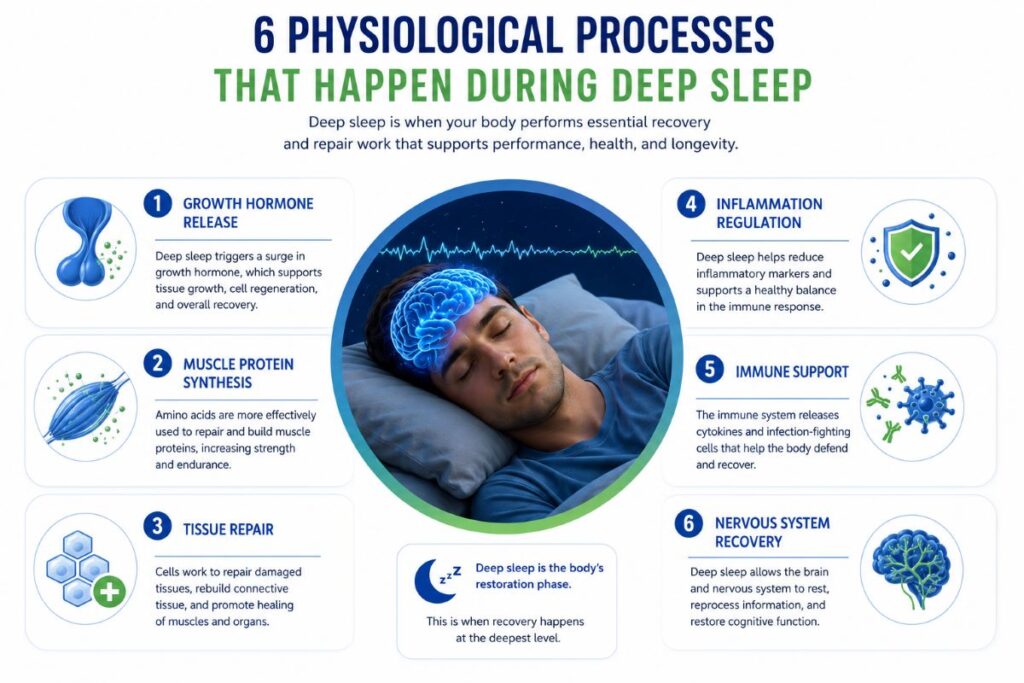
Current research suggests that deep sleep contributes to muscle recovery by supporting the following:
- Growth hormone release
- Muscle protein synthesis
- Tissue repair
- Healthy inflammatory regulation
- Immune system function
- Nervous system restoration
- Overall recovery from physical training
These processes work together, which is why consistently getting enough high-quality sleep is considered one of the most effective recovery strategies available.
As a result, deep sleep should not be viewed as a stand-alone recovery tool. Instead, it forms part of a larger recovery system that includes balanced nutrition, hydration, appropriate training load, and sufficient recovery time between workouts. These recovery processes often lead people to wonder whether deep sleep is more important than the other stages of sleep. The answer is more nuanced than a simple yes or no.
These recovery processes often lead people to wonder whether deep sleep is more important than the other stages of sleep. The answer is more nuanced than a simple yes or no.
Is Deep Sleep More Important Than REM Sleep for Muscle Recovery?
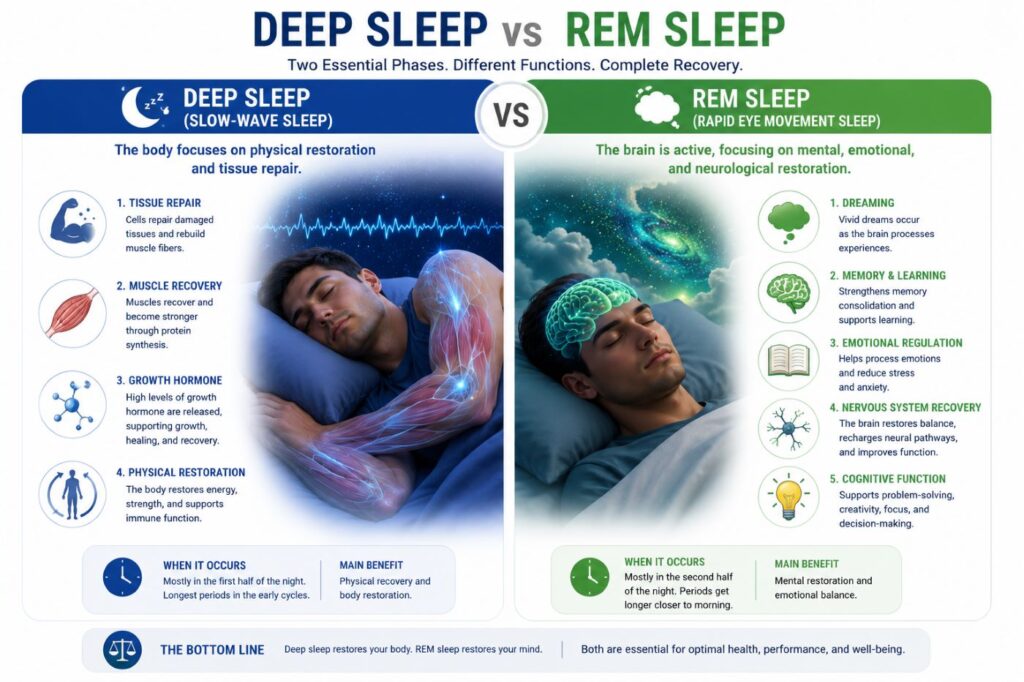
People often ask whether deep sleep or REM sleep is the “best” stage for recovery. The answer is that both are essential, but they contribute in different ways. Deep sleep is primarily responsible for physical restoration, while REM sleep plays a larger role in brain function, emotional regulation, learning, and motor skill development. Rather than competing with one another, these sleep stages complement each other throughout the night.
Deep Sleep vs. REM Sleep
| Feature | Deep Sleep (Slow-Wave Sleep) | REM Sleep |
| Primary Role | Physical restoration | Mental and neurological restoration |
| Muscle Recovery | Supports tissue repair and recovery | Indirect role through nervous system recovery |
| Growth Hormone Release | Highest during this stage | Minimal contribution |
| Muscle Protein Synthesis | Supports recovery environment | Limited direct involvement |
| Brain Recovery | Moderate | Primary stage for memory and learning |
| Motor Skill Learning | Limited | Strong contribution |
| Dream Activity | Rare | Frequent and vivid |
| Importance for Athletes | Essential for physical recovery | Essential for skill development and performance |
Both stages are necessary for optimal recovery. Prioritizing one over the other isn’t practical because your body naturally cycles through each stage several times during the night. For physically active individuals, the goal should be to achieve enough uninterrupted sleep to allow these cycles to occur naturally.
Understanding the different roles of these sleep stages also highlights why consistently missing deep sleep may gradually affect your recovery.
What Happens If You Don’t Get Enough Deep Sleep?
Missing one night of quality sleep is unlikely to undo weeks of training. However, consistently getting insufficient deep sleep may gradually reduce your body’s ability to recover efficiently.
Possible effects include:
- Slower repair of exercised muscle tissue
- Increased perception of muscle soreness
- Reduced exercise performance
- Greater physical and mental fatigue
- Less effective training adaptations
- Reduced motivation to exercise
- Increased risk of overtraining when combined with excessive training volume
- Longer recovery time between workouts
It’s important to remember that recovery is influenced by multiple factors. Poor nutrition, dehydration, illness, psychological stress, and excessive training load can produce symptoms like poor sleep. Looking at recovery often provides a more accurate picture than focusing on sleep alone.
Recovery Insight
Occasional poor sleep is part of normal life and usually has little lasting effect on healthy individuals. The greater concern is a consistent pattern of inadequate or poor-quality sleep over weeks or months, which may gradually impair recovery, performance, and overall health. Knowing the consequences naturally raises another important question: how much deep sleep do you need?
Knowing the consequences naturally raises another important question: how much deep sleep do you actually need?
How Much Deep Sleep Do You Need for Muscle Recovery?
There isn’t a specific number of minutes of deep sleep that guarantees better recovery. The amount of deep sleep you experience naturally varies based on factors such as age, genetics, training intensity, overall health, stress, and total sleep duration. National Sleep Foundation — Sleep duration and sleep health recommendations: https://www.thensf.org/
Most healthy adults spend approximately 13% to 23% of their total sleep time in deep sleep. For someone sleeping eight hours, this typically equals about one to two hours of deep sleep, although individual variation is normal. Instead of trying to achieve a specific amount of deep sleep each night, focus on habits that improve your overall sleep quality. Your body naturally adjusts the amount of deep sleep it needs based on recent physical and mental demands.
Factors That Influence Deep Sleep
Several factors can affect how much deep sleep you get, including:
- Regular exercise
- Consistent sleep and wake times
- Stress levels
- Alcohol consumption
- Caffeine intake late in the day
- Bedroom temperature
- Exposure to light before bedtime
- Certain medical conditions and medications
Many wearable fitness trackers estimate deep sleep, but these measurements should be viewed as approximations rather than precise medical assessments. Clinical sleep studies remain the most accurate way to measure sleep stages. Fortunately, while you can’t directly control your sleep stages, you can adopt habits that encourage healthier and more restorative sleep.
Fortunately, while you can’t directly control your sleep stages, you can adopt habits that encourage healthier and more restorative sleep.
Can You Improve Deep Sleep Muscle Recovery Naturally?
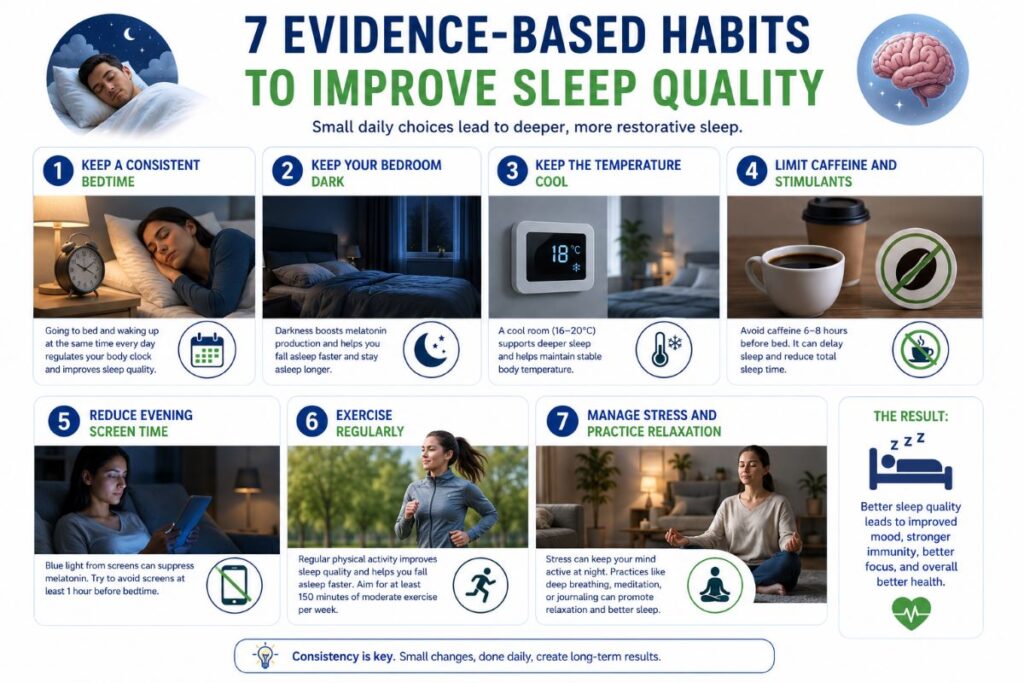
While you can’t force your body into deep sleep, you can create conditions that support healthier sleep patterns and better recovery.
Maintain a Consistent Sleep Schedule
Going to bed and waking up at roughly the same time each day helps regulate your internal body clock, making it easier to achieve restorative sleep.
Exercise Regularly
Regular physical activity is associated with improved sleep quality for many people. However, very intense exercise immediately before bedtime may interfere with sleep in some individuals.
Creating a Sleep-Friendly Environment
A cool, dark, and quiet bedroom promotes uninterrupted sleep. Reducing noise and limiting unnecessary light exposure can help minimize nighttime awakenings.
Limit Caffeine and Alcohol Before Bed
Caffeine can remain in your system for several hours, while alcohol may disrupt normal sleep architecture, even if it initially makes you feel sleepy.
Reduce Evening Screen Time
Bright light from electronic devices may delay your body’s natural production of melatonin, making it more difficult to fall asleep.
Manage Daily Stress
Relaxation techniques such as reading, gentle stretching, meditation, or controlled breathing may help some people transition into sleep more easily.
Evidence / Recovery Insight
There is no proven shortcut that replaces healthy sleep. Expensive recovery devices, supplements, or sleep “hacks” cannot consistently reproduce the complex physiological processes that occur during a normal night of high-quality sleep.
Common Myths About Deep Sleep Muscle Recovery
Myth 1: More Deep Sleep Automatically Means More Muscle Growth
Deep sleep supports recovery, but muscle growth also requires progressive resistance training, sufficient dietary protein, adequate energy intake, and recovery over time.
Myth 2: Eight Hours of Sleep Guarantees Enough Deep Sleep
Two people sleeping for the same number of hours may experience very different sleep quality and different amounts of deep sleep.
Myth 3: Fitness Trackers Measure Deep Sleep Perfectly
Consumer sleep trackers can provide useful trends, but they cannot accurately identify sleep stages with the same precision as laboratory-based sleep studies.
Myth 4: Recovery Supplements Can Replace Sleep
No supplement has been shown to replace the restorative biological functions that naturally occur during healthy sleep.
Myth 5: One Bad Night of Sleep Ruins Muscle Recovery
While poor sleep can temporarily affect performance and recovery, occasional sleep disruption is unlikely to have lasting effects. Consistently poor sleep is a much greater concern than a single restless night.
Where Deep Sleep Fits in the Recovery Hierarchy
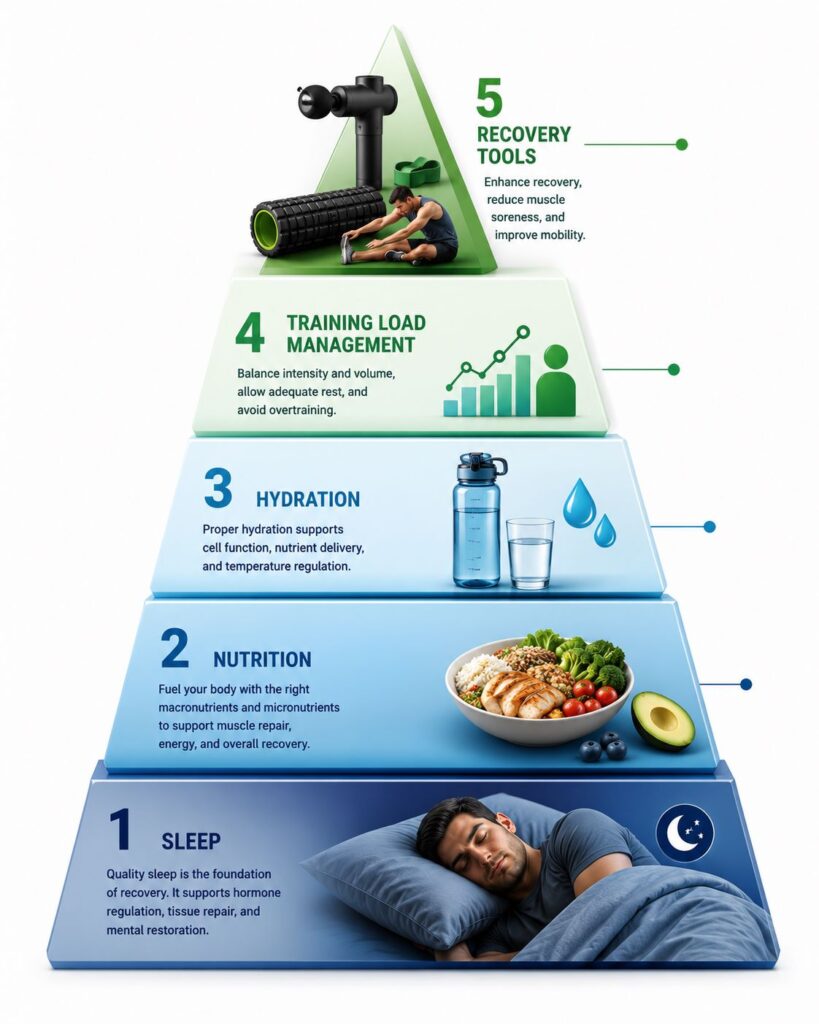
Deep sleep is one of the most important components of recovery, but it does not work alone. Successful recovery depends on several interconnected factors, each supporting the next. Neglecting one area often reduces the effectiveness of the others. National Heart, Lung, and Blood Institute — Sleep deprivation and healthy sleep information: https://www.nhlbi.nih.gov/health/sleep
The Recover Better Lab Recovery Hierarchy
| Recovery Level | Why It Matters |
| 1. Sleep | Provides the foundation for tissue repair, hormone regulation, immune function, and nervous system recovery. |
| 2. Nutrition | Supplies the protein, carbohydrates, healthy fats, vitamins, and minerals needed for muscle repair and energy restoration. |
| 3. Hydration | Supports circulation, temperature regulation, nutrient transport, and normal muscle function. |
| 4. Training Load Management | Balances exercise intensity, volume, and recovery time to prevent excessive fatigue and overtraining. |
| 5. Recovery Tools | Foam rollers, massage guns, compression garments, and similar tools may complement recovery but cannot replace the fundamentals above. |
A common mistake is investing in recovery devices while consistently sacrificing sleep. Although recovery tools may provide short-term relief or comfort, they cannot compensate for chronic sleep deprivation or poor recovery habits. When the foundations are in place, additional recovery strategies become more effective.
Recovery Insight
Deep sleep doesn’t repair muscles through a single mechanism. Instead, it creates ideal conditions for multiple recovery systems, including tissue repair, hormone regulation, protein synthesis, immune function, and nervous system restoration, to work together. That’s why consistently getting enough quality sleep has a greater long-term impact than relying on any single recovery tool.
Recovery Reminder
Before spending money on recovery devices or supplements, make sure you’ve consistently addressed the fundamentals:
✓ Sleep
✓ Nutrition
✓ Hydration
✓ Training Load Management
Recovery tools should support these foundations, not replace them.
Self-Reflection
Take a moment to reflect on your current recovery habits:
- Do I usually wake up feeling physically refreshed?
- Am I getting enough sleep on most nights, not just weekends?
- Do I experience muscle soreness that lasts longer than expected?
- Am I relying on recovery tools while overlooking sleep?
- Is my training schedule allowing enough time for my body to recover?
- Could improving my bedtime routine have a greater impact than changing my workout?
Small, consistent improvements in these areas often produce greater long-term results than dramatic changes made in only a few days.
| Recovery Habit | Impact on Muscle Recovery |
| High-quality sleep | Very High |
| Balanced nutrition | Very High |
| Proper hydration | High |
| Appropriate training load | High |
| Foam rolling | Moderate |
| Massage gun | Moderate |
| Stretching | Low to Moderate |
| Recovery supplements | Varies by individual and evidence |
Conclusion
Deep sleep muscle recovery is supported by a growing body of scientific evidence. During deep sleep, your body creates the conditions needed for tissue repair, muscle protein synthesis, hormone regulation, immune function, and nervous system restoration after exercise.
However, deep sleep should not be viewed as a stand-alone solution. Effective muscle recovery depends on the combined effects of sufficient total sleep, balanced nutrition, proper hydration, appropriate training load, and adequate recovery time. When these foundations work together, your body is better prepared to adapt to training, reduce soreness, and perform consistently.
Instead of searching for a single recovery shortcut, focus on building sustainable habits that support your body’s natural recovery processes. Over time, those habits are far more valuable than any quick fix.
Frequently Asked Questions
Does deep sleep muscle recovery really work?
Yes. Deep sleep supports several biological processes involved in muscle recovery, including tissue repair, growth hormone release, immune regulation, and muscle protein synthesis. While deep sleep is essential, recovery also depends on nutrition, hydration, and appropriate training.
How much deep sleep do adults typically get?
Most healthy adults spend approximately 13% to 23% of their total sleep time in deep sleep, although this varies depending on age, lifestyle, health, and individual differences.
Is deep sleep better than REM sleep for muscle recovery?
Deep sleep contributes more directly to physical recovery, while REM sleep primarily supports brain function, learning, and motor skill development. Both stages are necessary for overall recovery and performance.
Can naps replace deep sleep?
Short naps can improve alertness and temporarily reduce fatigue, but they generally do not replace the restorative benefits of a full night’s sleep with normal sleep cycles.
Can poor sleep increase muscle soreness?
Yes. Consistently poor sleep may increase the perception of muscle soreness, slow recovery, reduce exercise performance, and limit training adaptations over time.
How can I improve deep sleep naturally?
Maintaining a regular sleep schedule, exercising consistently, limiting caffeine late in the day, reducing evening screen exposure, managing stress, and creating a cool, dark, and quiet sleep environment are all evidence-based ways to support healthier sleep.
Medical Disclaimer
This article is for educational purposes only and should not be considered medical advice. It is not intended to diagnose, treat, cure, or prevent any medical condition. If you experience persistent sleep difficulties, chronic fatigue, unexplained muscle pain, or other symptoms concerning, consult a qualified healthcare professional or sleep specialist for an appropriate evaluation and personalized guidance.
References:
Peer-Reviewed Research
- Fullagar HHK, Skorski S, Duffield R, Hammes D, Coutts AJ, Meyer T. (2015). Sleep and Athletic Performance: The Effects of Sleep Loss on Exercise Performance and Physiological and Cognitive Responses to Exercise. Sports Medicine, 45(2), 161–186.
DOI: https://doi.org/10.1007/s40279-014-0260-0 - Simpson NS, Gibbs EL, Matheson GO. (2017). Optimizing Sleep to Maximize Performance: Implications and Recommendations for Elite Athletes. Scandinavian Journal of Medicine & Science in Sports, 27(3), 266–274.
DOI: https://doi.org/10.1111/sms.12703 - Halson SL. (2014). Sleep in Elite Athletes and Nutritional Interventions to Enhance Sleep. Sports Medicine, 44(Suppl 1), S13–S23.
DOI: https://doi.org/10.1007/s40279-014-0147-0 - Dattilo M, Antunes HKM, Medeiros A, et al. (2011). Sleep and Muscle Recovery: Endocrinological and Molecular Basis for a New and Promising Hypothesis. Medical Hypotheses, 77(2), 220–222.
DOI: https://doi.org/10.1016/j.mehy.2011.04.017 - Reilly T, Edwards B. (2007). Altered Sleep-Wake Cycles and Physical Performance in Athletes. Physiology & Behavior, 90(2–3), 274–284.
DOI: https://doi.org/10.1016/j.physbeh.2006.09.017 - Vitale KC, Owens R, Hopkins SR, Malhotra A. (2019). Sleep Hygiene for Optimizing Recovery in Athletes. Sports Medicine, 49(1), 3–10.
DOI: https://doi.org/10.1007/s40279-018-1010-x - Knowles OE, Drinkwater EJ, Urwin CS, Lamon S, Aisbett B. (2018). Inadequate Sleep and Muscle Strength: Implications for Resistance Training. Sports Medicine, 48(2), 285–304.
DOI: https://doi.org/10.1007/s40279-017-0792-x

I’m Mr. Baig, founder of Recover Better Lab. I create evidence-based fitness recovery content to help beginners recover smarter and build sustainable healthy habits.
Mission: My mission is to provide trustworthy, research-backed recovery and fitness content that helps people optimize their health, performance, and overall well-being.